

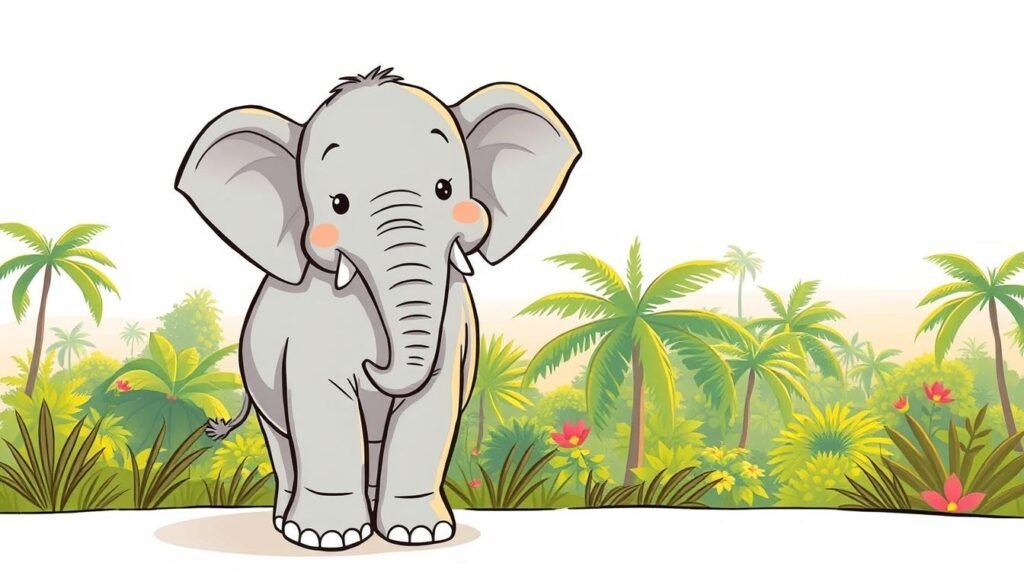
Did you know an elephant’s trunk contains over 40,000 individual muscles? That’s more than the entire human body. This incredible fact highlights the unique anatomy that makes these gentle giants such a fascinating subject for artists.
I believe creating animal art is a rewarding journey, and elephants are a perfect starting point. Their distinctive shapes and textures are excellent for developing your observational skills. This guide is designed to build your artistic confidence, even if you are new to sketching creatures.
I will walk you through a systematic process that breaks down the elephant’s complex form into simple, manageable stages. You will find clear, step-by-step instructions that cover everything from a basic sketch to detailed shading. My approach focuses on understanding the core characteristics that make these animals so recognizable.
This comprehensive tutorial, like the excellent one available at easypeasyandfun.com, ensures you grasp each phase. You can choose between a fun cartoon style or a more realistic illustration. The goal is to provide you with the techniques to create a piece of art you will be proud of.
Key Takeaways
- Elephants are ideal subjects for artists due to their distinctive and recognizable features.
- This tutorial is designed to be accessible for beginners, building fundamental observational skills.
- The process breaks down the animal’s complex form into simple, easy-to-follow steps.
- You will learn techniques for both cartoon-style and realistic illustrations.
- The focus is on understanding core characteristics rather than rigid formulas.
- Following the systematic approach will help you overcome common drawing challenges.
- You will create a finished piece of art that builds confidence in your abilities.
Getting Started: The Joy and Challenges of Elephant Drawing
My journey into elephant art started with the realization that observation trumps formula when sketching these complex animals. The initial attempt to capture their form revealed unique artistic challenges.how-to-draw-baby-yoda
My First Impressions and Observations of Elephant Shapes
When I first attempted to draw this magnificent animal, I quickly noticed how different it was from other subjects. The bulky, rounded body and chubby limbs presented particular difficulties. Trying to pin down basic shapes proved frustrating since each photo showed different angles and positions.
The trunk’s curling variations and the contrast between massive body and thin tail added complexity. I discovered that a simple head turn creates an entirely different elephant shape.
What Inspired Me to Take Up Elephant Drawing?
These highly intelligent, family-oriented creatures captivated my artistic interest. Their demonstration of complex emotions motivated me to master their form. The challenge of capturing their unique characteristics became a personal mission.
I recommend starting with quick sketches of 3-5 different elephants from various photos. This practice, similar to the approach at I Heart Crafty Things, helps familiarize you with the particulars of elephant shapes without worrying about perfect results.
Careful observation is more valuable than rigid construction methods. Drawing animals accurately requires looking intently at your subject, letting the unique shapes guide your hand.
Understanding the Elephant’s Anatomy for Accurate Sketching
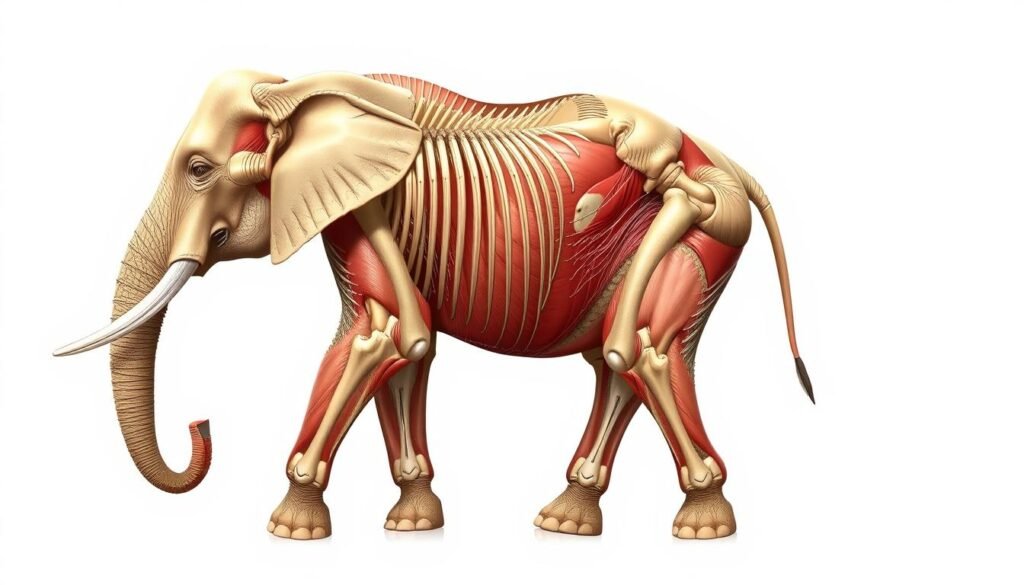
The key to convincing elephant sketches lies in understanding their distinctive physical characteristics. I focus on the major features that define these magnificent animals. Proper anatomical knowledge ensures your artwork captures their true essence.
Key Features: Head, Trunk, Ears, and Limbs
I always begin with the head as the focal point. This central feature sets the tone for your entire composition. Everything else flows naturally from this starting position.how-to-draw-a-fox
The trunk presents both opportunity and challenge. This flexible appendage can curl in various directions. Mastering its movement adds life to your elephant drawings.
Large ears create the animal’s signature silhouette. They vary between species but always contribute significantly to character. Getting the ear shape right enhances recognition immediately.
The massive body requires understanding volume and mass. This bulky, rounded torso connects to sturdy, column-like legs. These limbs support tremendous weight while appearing deceptively simple.
Skin texture adds realism and suggests age. Wrinkles and folds define form and create visual interest. Capturing this detail brings your elephant to life.
Understanding these features helps convey intelligence and emotion. Your sketch will feel dynamic rather than static. This anatomical knowledge transforms basic shapes into living creatures.
Materials and Tools for a Professional Elephant Drawing
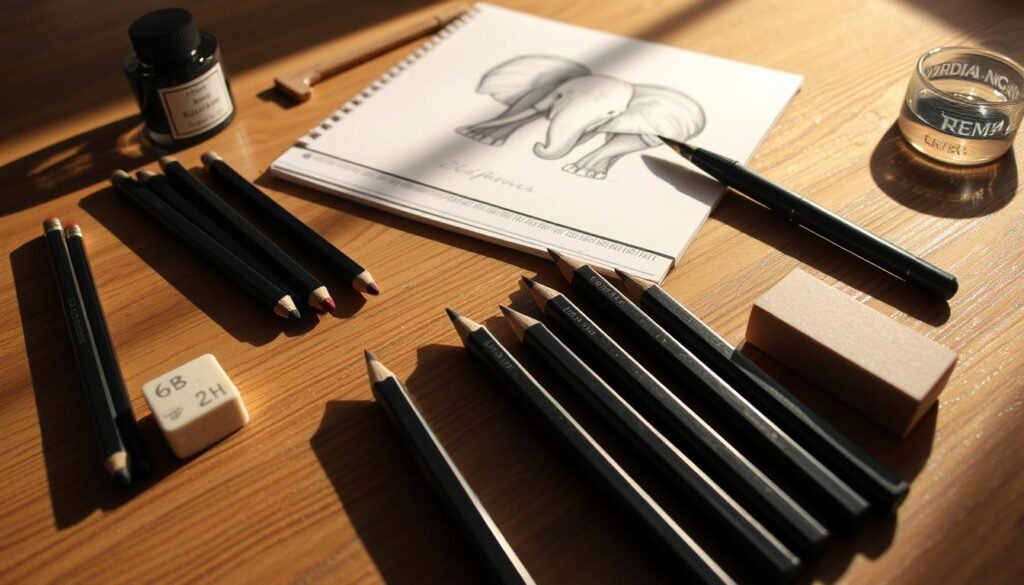
Quality materials provide the foundation for creating professional-looking animal illustrations. The right supplies can transform your artistic experience and final results.
I recommend starting with basic supplies if you are new to this type of artwork. You can always upgrade your tools as your skills develop.
Choosing the Right Paper and Pencils
For basic animal illustrations, standard white paper or card stock works perfectly. More advanced artists might prefer 80 lb. white drawing paper with weak to medium texture.
This heavier paper provides better control and surface quality. It handles multiple layers of graphite without tearing.
When selecting a pencil, beginners can use any standard writing instrument with a good eraser. The Blackwing Matte pencil offers excellent performance for serious work.
This particular pencil feels soft like a 3B but produces less shine than traditional graphite. It glides smoothly across the paper surface.how-to-draw-a-heart
Optional Extras: Markers, Watercolors, and Other Media
Multiple graphite grades create varied tones and textures in detailed artwork. They help with subtle value transitions and shading effects.
For colorful creations, markers and colored pencils work wonderfully. Choose seamless markers and smudge-resistant colored pencils for clean results.
Watercolor offers another creative option for your animal artwork. You can trace your outline onto watercolor paper before focusing on light and shadow.
Acrylic paint works well for transforming sketches into canvas pieces. This medium allows for vibrant, permanent wall art creations.
The most important factor is beginning with available materials. Upgrade your supplies as your commitment to artwork grows over time.
Step-by-Step Guide: How to Draw an Elephant
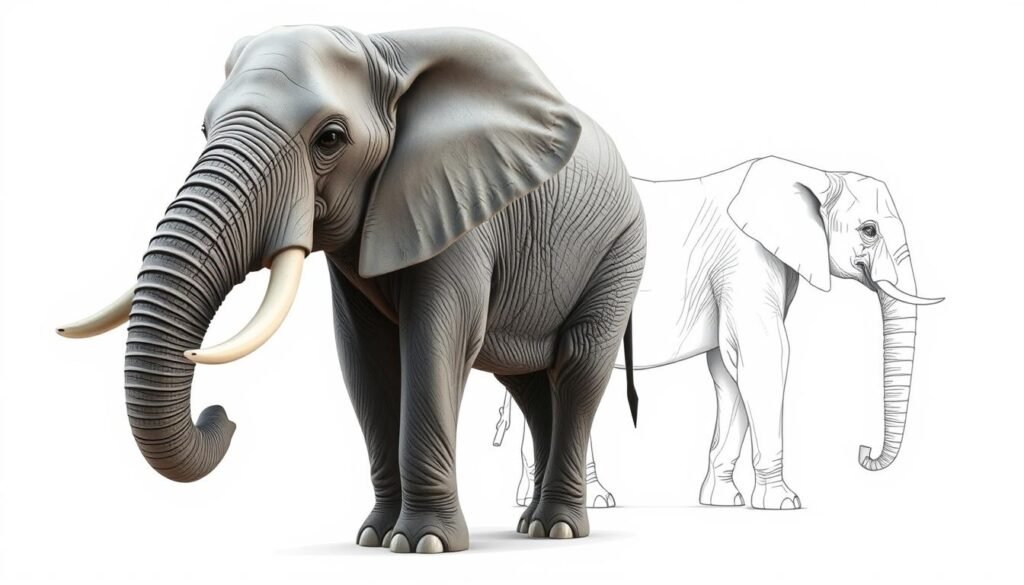
The moment has come to put pencil to paper and systematically build our elephant from basic shapes. This step tutorial breaks the process into manageable phases, ensuring a solid foundation for your artwork. I will guide you through each step with precision.how-to-draw-a-bunny
Starting with Basic Shapes and Construction
I recommend you start drawing with the head as your focal point. If you are right-handed, begin on the left side of the paper. This prevents smudging your work.
Establish the foundational shape using three straight lines. These lines outline the angle between the top of the head, the trunk, and its bend. Let these straight guides inform your placement of flowing, curved lines.
This construction method, similar to the approach in this simple elephant drawing guide, creates a natural, three-dimensional form. It is a crucial first step in any animal illustration.
Placing the Trunk, Eyes, and Tusks Precisely
Accurate feature placement brings your drawing elephant to life. Draw a straight line from the top head down to indicate the eye’s position. Use another line to mark the tusk.
Creating many intersecting lines helps pinpoint the eye’s exact location. This technique solves a common challenge in mammal illustration. Show the trunk‘s roundness with gentle curves along its length.
For a walking view, capture movement by drawing the negative space between the trunk and the forward leg. Position the ear’s bottom relative to the tusks, using a straight line to get the angle right first.
The left leg aligns vertically from the ear’s edge. Pay attention to the space between the front legs to determine their shape. The underbelly begins as a small line between them, extending to merge with the hind leg.
Construction and Shading Techniques for Realistic Effects
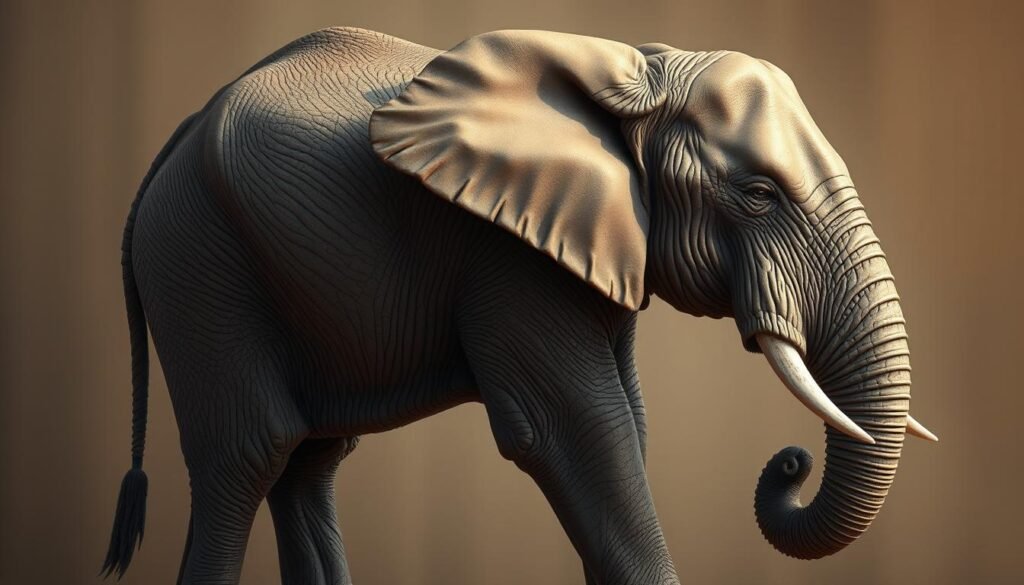
Construction and shading work together to transform simple sketches into dimensional, realistic animal portraits. These techniques bring your artwork to life by creating form and texture.
I approach construction through two methods. The first involves stacking shapes, where I break down the overall form into simpler components. I loosely sketch with many lines to find the accurate larger shape.
The second method uses pure observational comparisons. I build each section from the top down by making continuous visual measurements. This approach works well for complex subjects like elephants.how-to-draw-a-body
Using Straight and Curved Lines to Define Form
Strategic line work establishes proper proportions. Straight lines help me set accurate angles and relationships between features. I use them to position elements like the hind leg and underbelly.
Curved lines then add organic contours to the initial framework. They create the natural flow of the trunk and the rounded quality of the body. This combination produces a convincing three-dimensional look.
Developing Value and Texture with Shading
Shading develops the full range of values within your artwork. Your goal should include the darkest darks and lightest lights. The white paper provides your lighter values naturally.
Value relationships show how light behaves on surfaces. They create the illusion of texture and form. For elephant skin, I use loose directional strokes during the shading process.
Adjusting pencil pressure quickly develops middle and darker values. This technique suggests wrinkled, weathered skin effectively. Proper angles, like the pronounced bend of a leg, express motion rather than static appearance.
These construction and shading methods form the core of realistic animal artwork. For additional guidance, explore this comprehensive elephant drawing tutorial that covers these techniques in depth.
Quick Sketch Techniques and Timed Drawing Exercises
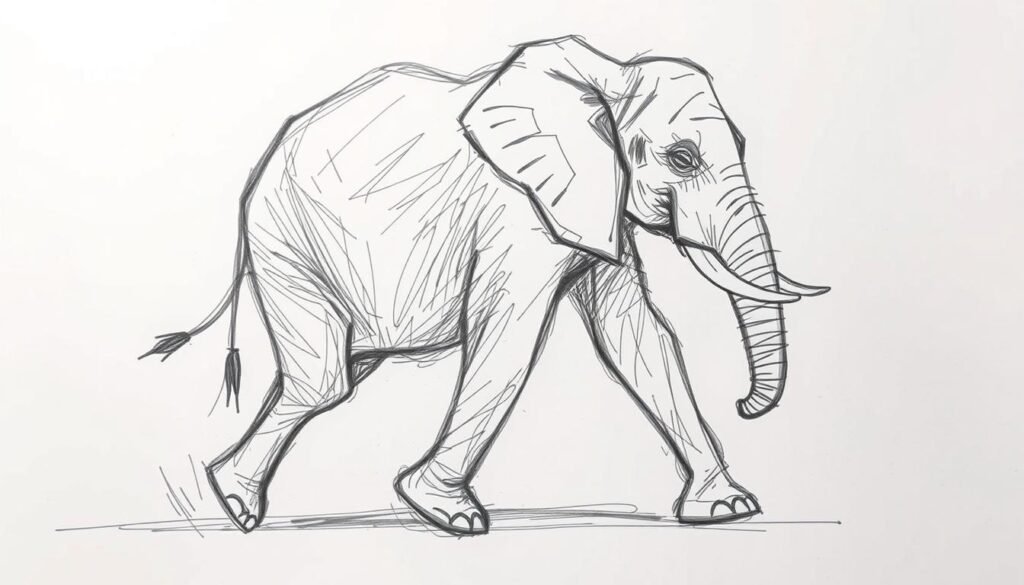
Timed exercises push your creative boundaries in ways that open-ended practice cannot. They force you to make quick decisions and focus on the core essence of your subject. This approach is incredibly effective for mastering animal forms.
Many artists find the clock to be their greatest ally. Setting a limit, like 45 minutes, creates a productive sense of urgency.
Overcoming Time Constraints and Improving Speed
The real challenge in a timed exercise is not the technical skill but managing the time itself. Your first step is simple: gather several reference photos of elephants.how-to-draw-bluey
Begin your sketch immediately. Work rapidly, capturing the overall shape and major features without overthinking. The initial result may look rough, but that is perfectly acceptable.
I recommend sketching three to five different elephants in quick succession. This repetition helps internalize the unique proportions. You train your hand and eye to work together efficiently.
Facing these challenges is where significant growth happens. Each timed session builds confidence and decisiveness. The skills you develop directly benefit more detailed drawing projects.
This table contrasts the key differences between timed and open-ended sketching sessions:
| Aspect | Timed Sketch Exercise | Open-Ended Drawing |
|---|---|---|
| Primary Focus | Speed, gesture, and essential forms | Detail, accuracy, and refinement |
| Mindset | Decisive and intuitive | Analytical and patient |
| Best For | Building confidence and muscle memory | Creating finished, polished artwork |
| Outcome | A series of quick studies | A single, developed piece |
Regular practice with constraints provides a clear start and end point. This structure prevents feeling overwhelmed. It turns a daunting task into a manageable exercise.
You exercise the same artistic muscles in a condensed time frame. Observation, proportion, and composition are all engaged. This makes quick sketching an efficient training method for anyone learning to draw elephant forms.
Creative Ideas and Practical Applications for Your Elephant Drawing
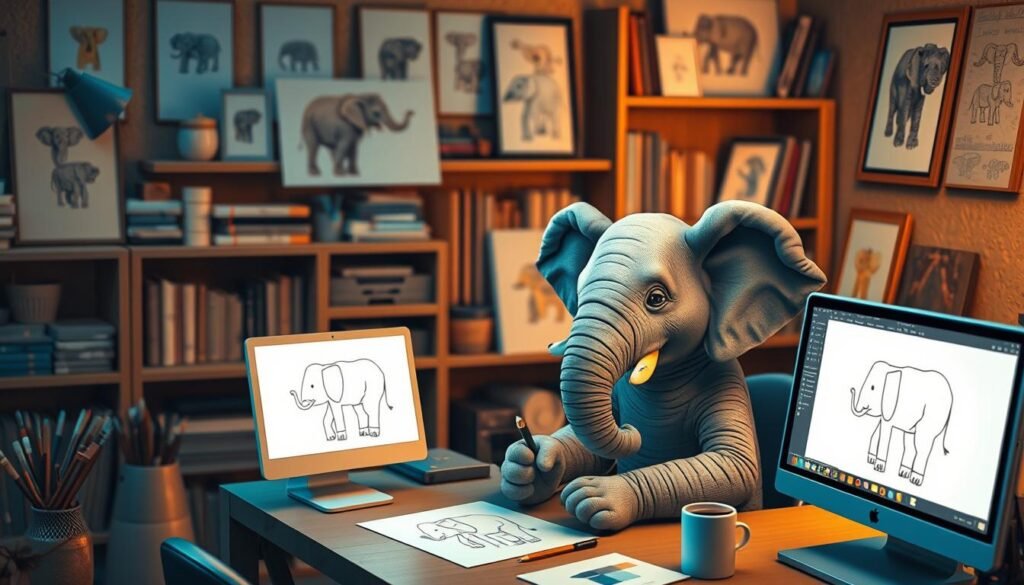
Beyond the sketchpad, your elephant drawing can become a versatile element in various creative projects. I find immense satisfaction in giving my artwork a purpose beyond practice.
Transforming a simple pencil sketch into something tangible is incredibly rewarding. You can easily create personalized greeting cards or design your own coloring pages.
Consider painting your elephant on a canvas for custom wall art. You can also draw the design on top of wrapped gifts for a unique, handmade touch.
Transforming Sketches into Wall Art or Greeting Cards
Elevating your sketch is a straightforward process. Trace your outline onto watercolor paper. Then, focus on light and shadows with your painting.
This method produces a professional finished piece. You are not limited to a full-body view. A detailed study of just the elephant’s face can be equally powerful.
Adding personality is key. Imagine your elephant holding a balloon, heart, or flower in its trunk. These small details make each creation unique.
This creative process is also a wonderful way to decompress. Combining simple shapes into a cohesive picture is a mindful and relaxing activity.
| Application | Best Medium | Skill Level |
|---|---|---|
| Greeting Cards | Fine-tip pen on cardstock | Beginner |
| Wall Art | Watercolor or acrylic on canvas | Intermediate |
| Painted Rocks | Acrylic paint | All Levels |
| Custom Stickers | Digital scan or clear labels | Beginner |
No matter which application you choose, your artwork will look amazing. It serves as a testament to your developing skills.
Conclusion
Mastering the art of capturing these majestic creatures on paper represents a significant milestone in any artist’s development. This comprehensive guide demonstrates that creating compelling elephant artwork is absolutely achievable through systematic practice.
The techniques covered—from careful observation to strategic construction lines and thoughtful shading—provide a solid foundation. Choosing appropriate materials, from basic paper and pencils to specialized tools, significantly enhances your results.
Each challenge you encounter, whether placing features accurately or capturing motion, serves as valuable growth opportunity. Regular practice with both quick sketches and detailed drawings develops complementary skills. For deeper exploration of charcoal techniques, consider the comprehensive approach at this advanced elephant drawing tutorial.
Your artistic journey with these magnificent animals promises both personal satisfaction and creative expression. Trust the process, embrace the learning curve, and you will create artwork that truly captures their noble spirit.