

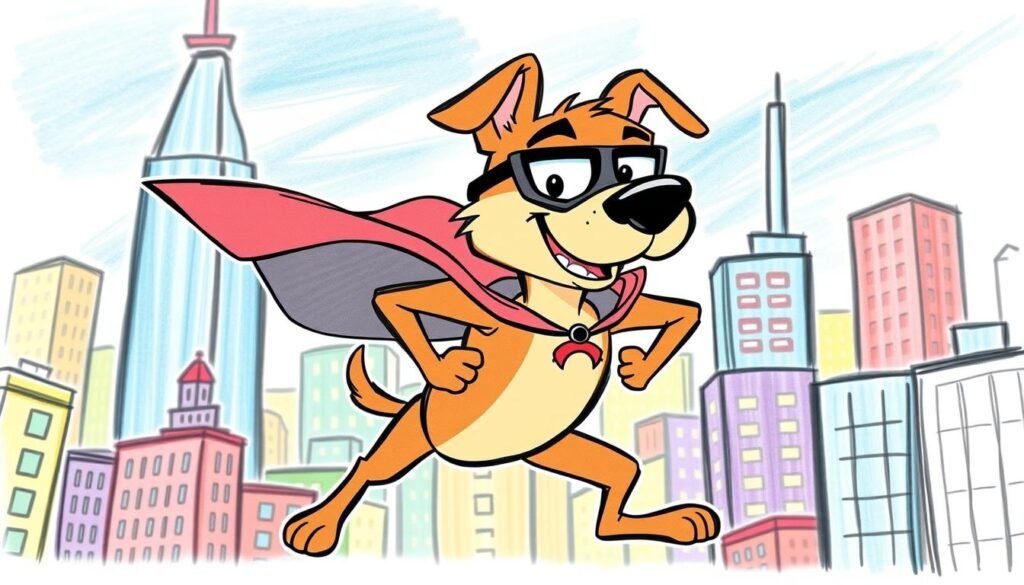
Did you know that the Dog Man graphic novel series has sold over 30 million copies worldwide? This incredible fact shows just how beloved this unique hero has become. He has captured the hearts of young readers everywhere.
I am excited to introduce you to this one-of-a-kind character from the Captain Underpants universe. Dog Man is a new breed of justice, born from a fantastic origin story. After an explosion injured Officer Knight and his police dog Greg, they were fused together. The result is a hero with a dog’s head on a man’s body.
This guide will walk you through the process of capturing his distinctive look. My goal is to make this artistic journey accessible and enjoyable for everyone. You will learn professional techniques to illustrate this dynamic character from the popular comic book series.
By the end, you will have the confidence to create your own versions of this all-hero character. Let’s begin this creative adventure into cartoon illustration.
Key Takeaways
- Dog Man is an extremely popular character with a massive global following.
- The character originates from the Captain Underpants fictional universe.
- His unique design results from the fusion of a police officer and his dog.
- This guide provides professional techniques for cartoon illustration.
- The process is designed to be accessible for artists of all skill levels.
- Mastering this character helps build confidence in drawing comic book styles.
Step-by-Step Guide: How to Draw Dog Man
Before we begin the character illustration process, let’s focus on establishing an optimal work environment. This structured approach breaks the project into manageable stages that build confidence gradually.
Setting Up Your Workspace
I recommend organizing all necessary materials within easy reach. Proper lighting and a comfortable surface create ideal conditions for creative work.
Having your tools arranged logically saves time and reduces frustration. This preparation step ensures you can concentrate fully on the artistic task ahead.how-to-draw-a-wolf
Basic Sketching Techniques
My method begins with simple shapes and light lines. This foundation makes complex forms accessible for beginners and young artists.
Breaking down the character into geometric components helps understand proportions. Light preliminary sketches allow for easy adjustments as you progress.
This technique builds essential skills for cartoon illustration. The page layout guidance ensures balanced composition from the start.
Exploring the Origin and Character of Dog Man
Dog Man’s creation within the Captain Underpants universe offers a meta-narrative that enriches the drawing experience. This comic book character exists as fiction within fiction, adding depth to his appeal.
The origin of this unique hero stems from a dramatic explosion. Officer Knight and his police dog Greg suffered critical injuries, leading surgeons to fuse the dog‘s head with the man‘s body. This fusion created the distinctive Dog Man character we know today.
I appreciate how this hybrid being combines human intelligence with canine instincts. Despite his inability to speak English verbally, he understands and writes the language perfectly. His enhanced senses from the canine part make him an exceptional crime fighter.
The series showcases clever literary parodies in its titles. Books like Lord of the Fleas and Fetch-22 introduce young readers to classic literature references. This creative approach adds intellectual depth to the comic.how-to-draw-baby-yoda
Understanding Dog Man‘s background informs artistic choices when illustrating him. Every line should reflect his dual nature, capturing both heroic determination and canine loyalty.
Essential Materials and Tools for Dog Man Drawing
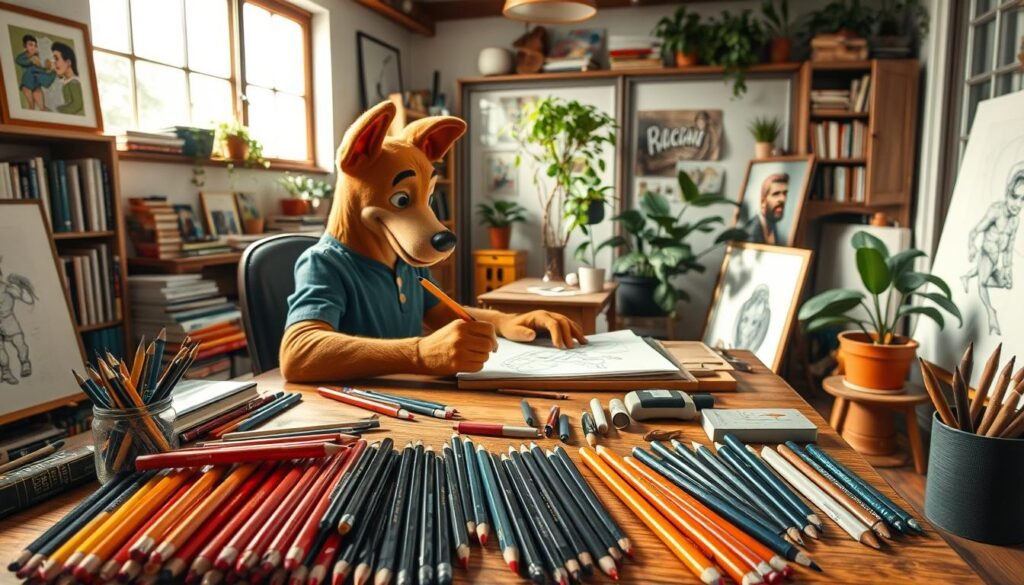
Proper preparation with essential supplies ensures a smooth creative experience. The right tools make capturing this unique character’s appearance much more enjoyable.
I recommend starting with basic materials that are comfortable for artists of all skill levels. This approach helps build confidence while learning.
Recommended Art Supplies
Gathering quality pencils, erasers, and paper creates the foundation for success. I prefer HB and 2B pencils for their versatility in sketching.
Smooth, medium-weight paper handles both pencil work and coloring without bleeding. A kneaded eraser protects the page surface during corrections.
| Essential Supplies | Optional Enhancements | Beginner-Friendly Options |
|---|---|---|
| HB & 2B Pencils | Professional Markers | Starter Art Kits |
| Kneaded Eraser | Blending Stumps | Basic Colored Pencils |
| Drawing Paper | Specialty Papers | Reference Images |
Supplementary Digital Resources
Digital tools offer additional flexibility for artists wanting to expand their skills. Tablets and drawing apps provide endless creative possibilities.
Keeping reference materials nearby, whether from a printed book or digital images, helps maintain accuracy. Many stores offer kits designed specifically for young artists.
The investment in quality materials doesn’t need to be expensive. I’ll help you identify which supplies deliver the best results for your artistic goals.how-to-draw-a-fox
Sketching the Outline and Forming the Figure
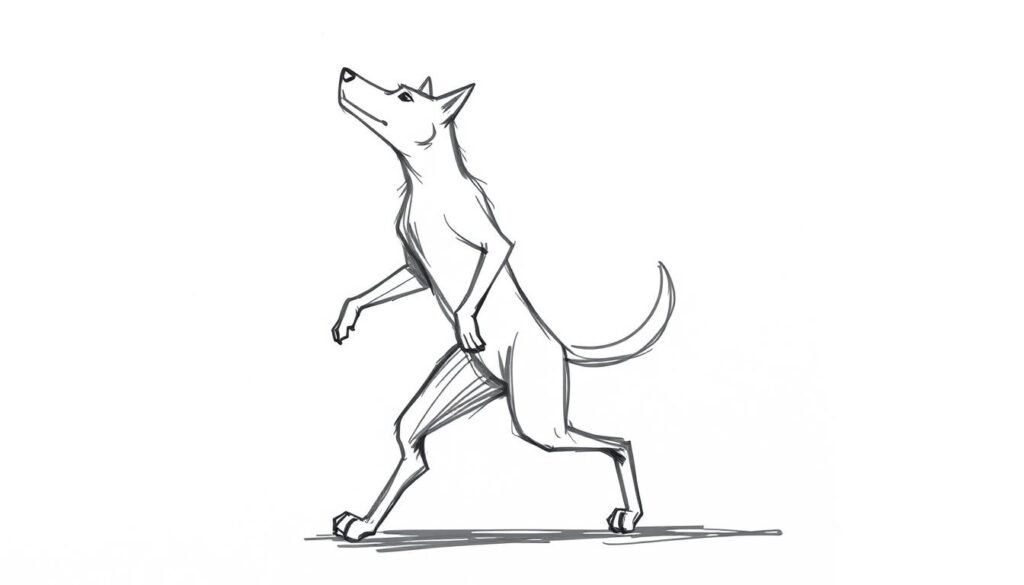
This phase focuses on constructing the primary shapes that define the character’s silhouette. I build the foundation using simple geometric forms that gradually evolve into recognizable features.
Drawing the Head and Hat
I start with an irregular shape for the head using flowing curved lines. This organic form captures the unique hybrid nature of our hero. The nose appears as a small shaded circle at the snout’s tip.
A smiling mouth follows with another curved line. The signature hat takes shape as a square above the head, complete with a thick brim. Eyes form as vertical curves, while dots suggest whiskers.
Structuring the Body and Limbs
The torso emerges as a slightly curved square beneath the head. Short lines connect head to body, representing the beard. Both ears take shape using extended curved lines.how-to-draw-a-heart
Arms develop in simple “L” shapes, maintaining cartoon proportions. Each part builds upon the previous one systematically. Light sketching allows for adjustments before finalizing.
| Approach | Starting Point | Progression |
|---|---|---|
| Geometric Method | Basic shapes | Adds details gradually |
| Organic Method | Flowing lines | Refines proportions |
| Hybrid Approach | Combines both | Most flexible option |
Detailing Features: Face, Hat, and Unique Elements
Now we transition from basic forms to the defining characteristics that make Dog Man instantly recognizable. This stage focuses on the subtle elements that bring personality to our character illustration.
Capturing Expressions and Accessories
I begin with the facial features that convey emotion. Two vertical curved lines create expressive eyes, essential for showing his friendly nature. The three dots beside the nose represent whiskers, a subtle canine detail.
The tulip-shaped emblem on the hat front becomes his signature logo. I craft this using flowing curved lines that add visual interest. This distinctive element makes the character stand out on the page.
Short lines crossing from head to body form the beard texture. This detail helps blend the canine and human aspects seamlessly. Each accessory serves a purpose in building identity.
I pay special attention to the mouth curve, ensuring it conveys optimism. The thick hat brim frames the face with confidence. My approach emphasizes clarity for artists at any skill level.
This careful detailing step transforms our basic sketch into the complete cartoon character. Every element works together to capture Dog Man’s energetic style.how-to-draw-a-bunny
Adding Personality: Capturing Dog Man’s Energetic Style
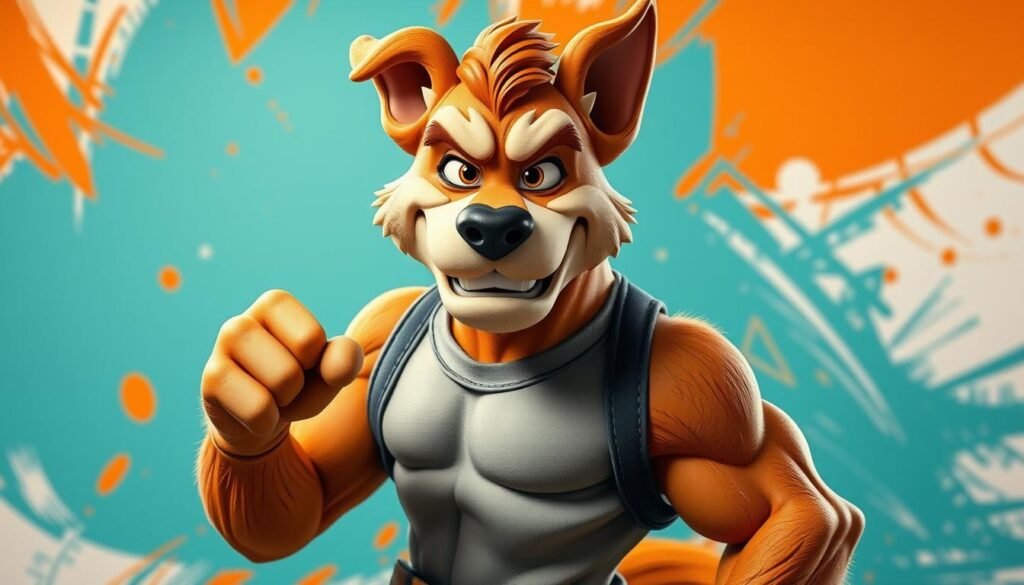
The true essence of Dog Man emerges when we focus on the dynamic personality that makes him so memorable. Technical accuracy matters, but character embodiment separates good artwork from great illustration.
I believe personality infusion requires understanding his dual nature. The loyal canine instincts blend with dedicated justice-seeking in this unique hybrid character. Every line should reflect this energetic combination.
The cartoon format offers tremendous flexibility for expressive poses. Confident, flowing strokes convey movement and emotion effectively. Study various comic panels to observe how simple techniques create powerful energy.
| Personality Trait | Visual Cue | Artistic Technique |
|---|---|---|
| Enthusiastic Spirit | Dynamic pose, leaning forward | Confident stroke direction |
| Canine Loyalty | Alert ears, wagging tail position | Curved, friendly lines |
| Heroic Determination | Square shoulders, focused gaze | Bold, definitive shapes |
Body language communicates eagerness and sometimes clumsy enthusiasm. Small details transform static images into lively representations. The tail position or ear angle can suggest immediate action.
My goal involves helping you infuse the same joy that makes this character so engaging. Successful drawing captures narrative quality in a single image. Focus on the spirit that readers love about this heroic dog man.
Creative Coloring Techniques for a Vibrant Drawing
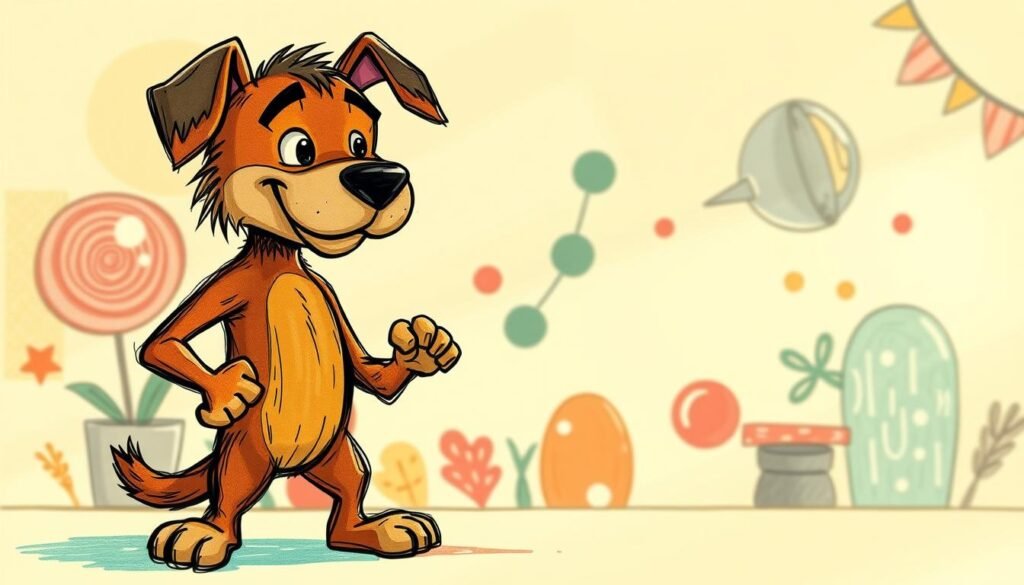
Bringing your character to life with color is an exciting final step. This stage transforms a simple sketch into a dynamic, finished piece of art. Careful color application adds depth and personality.
I focus on a classic palette for this hero. His canine features use shades of brown, while the police uniform is a strong blue. Bright yellow logos provide a striking contrast on the page.
Choosing the Right Color Palette
Selecting colors is crucial for a successful final artwork. I recommend testing combinations on a separate sheet first. This practice ensures satisfaction before committing to the main drawing.
For artists of all ages, especially kids, this step builds confidence. Using light and dark browns for the head creates a three-dimensional effect. The blue uniform gains realism with highlights and shadows.
Applying Shadows and Highlights
Shading techniques make your illustration pop off the page. Imagine a light source and apply darker blues to uniform folds. Lighter blues should hit the raised areas of the fabric.
The yellow emblems must remain bright and prominent. They are signature elements of the character. A small white highlight on the dark brown nose adds a shiny, realistic touch.
Taking your time with layers produces a vibrant, professional result. This method is effective for creators of all skill levels and ages.
Common Pitfalls and How to Avoid Them
Avoiding common errors can significantly improve your final artwork. I’ve worked with many kids and artists of different ages who face similar challenges.how-to-draw-a-body
Proportion issues frequently occur, especially with head-to-body ratios. Taking time during the initial step prevents unbalanced results. Light pencil strokes allow for easy adjustments later.
The transition between canine and human elements requires careful attention. The beard area should blend naturally rather than appear abrupt. This help maintains the character’s unique hybrid appearance.
Many beginners press too hard with their pencils initially. I recommend gentle pressure for sketch lines. Consistent line weight creates professional-looking artwork.
Symmetry challenges often arise with facial features. Comparing both sides ensures balanced eyes and ears. Patience during each step yields better results than rushing.
Following a structured approach prevents skipping essential stages. Methodical progress builds confidence for artists of all ages. This guidance help kids develop solid foundational skills.
Enhancing Your Skills with Complementary Cartoon Tutorials
The skills you’ve developed can be applied to a wide range of comic art styles. I recommend exploring additional resources that complement your current abilities. This approach builds greater artistic versatility.
Practicing with Similar Comic Characters
I encourage exploring tutorials for other canine characters. The 50 Easy Dog Drawing Tutorials post offers excellent practice for mastering animal features. These resources help develop your understanding of cartoon anatomy.
Many public libraries carry extensive collections of drawing books. These books feature step-by-step tutorials suitable for artists of all ages. I’ve found that studying pages from actual comic series provides valuable insight.
Keeping a dedicated sketchbook allows for experimentation with different styles. This practice strengthens your overall comic art abilities. The Simple Tutorials to Draw Dogs page offers fundamental skills that translate well.how-to-draw-bluey
Regular library visits provide access to countless pages of inspiration. Various drawing books feature characters from different series. This cross-training approach elevates your drawings to new levels.
Conclusion
Completing your Dog Man illustration marks a significant milestone in your artistic development journey. I’ve designed this comprehensive guide to equip creators of all ages with professional techniques for bringing this beloved comic book character to life.
The skills you’ve practiced through these pages form an essential part of your broader artistic growth. Each drawing session builds confidence and refines your personal style. Remember that every artist begins as a beginner.
I encourage you to continue exploring other characters from the book series. For additional practice, consider our detailed Dog Man tutorial that offers different artistic approaches to achieve excellent results.
Share your completed drawings with supportive communities where artists celebrate comic art. Your dedication will help you master not just this character, but any figure from your favorite book pages.