


Did you know that some parrot species can live for over 80 years? These intelligent birds form deep bonds and have complex social lives. Capturing their vibrant spirit on paper is a rewarding artistic challenge.
I am thrilled to present this comprehensive guide. We will explore the unique anatomy of these remarkable birds. You will learn to apply brilliant colors that make your artwork pop.
With approximately 350 known species, parrots offer incredible diversity. Their colorful plumage and distinctive features make them fascinating subjects. This parrot drawing tutorial is designed for all skill levels.
My goal is to help you develop your artistic skills. You will gain valuable knowledge about bird anatomy and color techniques. By the end, you will have created a stunning illustration.
Key Takeaways
- Parrots are intelligent, long-lived birds with over 350 species worldwide.
- This guide breaks down the drawing process into manageable steps for all skill levels.
- Understanding basic bird anatomy is crucial for an accurate representation.
- Color application techniques will bring your parrot illustration to life.
- The tutorial provides professional techniques and practical tips.
- You will create a finished piece of art that showcases the parrot’s vibrant plumage.
Introduction to Parrot Drawing
The parrot family, Psittaciformes, encompasses a remarkable diversity of approximately 372 living species. These birds are divided into three main superfamilies, each with unique characteristics that influence artistic representation.how-to-draw-a-parrot
When I study these creatures for artistic purposes, the color spectrum never fails to impress me. While green remains the most common plumage color, parrots display virtually every hue imaginable. Many species feature multi-colored patterns that create stunning visual effects.
Overview of Parrot Features and Colors
Understanding avian anatomy proves crucial for creating a realistic parrot illustration. Distinctive curved beaks, intelligent eyes, and layered feathers require careful observation. The variation in tail length and wing structure among different species adds complexity to your artwork.
These intelligent birds possess remarkable cognitive abilities despite lacking vocal chords. Their capacity for mimicry and expressive faces injects personality into any depiction. This intelligence manifests in their lively demeanor, which artists must capture to achieve authenticity.
| Superfamily | Distinctive Features | Notable Species Examples |
|---|---|---|
| New Zealand Parrots | Large, robust bodies; alpine adaptations | Kea, Kakapo |
| Cockatoos | Crested heads; predominantly white/black plumage | Sulphur-crested Cockatoo, Galah |
| True Parrots | Brightly colored; curved upper beak | Scarlet Macaw, African Grey |
Inspiration from Parrot Species and History
Specific species like the Spix’s macaw provide wonderful artistic inspiration. This brilliant blue bird gained fame through the Rio movie franchise. Its striking coloration demonstrates nature’s palette possibilities.
Parrots have fascinated humans for thousands of years, appearing in religious art and cultural stories. Their 65-million-year evolutionary history adds depth to their representation. Researching different species helps artists choose between realistic and interpretive approaches.
I recommend beginning with the understanding that these birds symbolize longevity and vitality. Their energetic nature should inform your creative process. The vibrant colors and distinctive features make parrots exceptionally rewarding subjects for artistic exploration.how-to-draw-a-raccoon
Materials and Preparation for Your Parrot Drawing

Having the right materials at hand makes all the difference in creating vibrant artwork. Proper preparation ensures your creative process flows smoothly from start to finish.
I begin every project by gathering essential supplies. Quality tools elevate the entire artistic experience.
Essential Tools and Art Supplies
My basic kit includes smooth paper, a reliable pencil, sharpener, and eraser gum. These form the foundation for the initial sketch phase.
For coloring, I recommend colored pencils, markers, or watercolors based on your comfort level. Each medium offers unique advantages for capturing plumage details.how-to-draw-a-monster
Choosing the Right Paper and Medium
Paper selection directly impacts your final result. Smooth surfaces work beautifully with pencils, while heavier watercolor paper prevents warping with wet media.
Testing colors on scrap paper first helps understand blending behavior. This simple step improves color application skills significantly.
Setting Up Your Drawing Workspace
Good lighting and comfortable seating transform the artistic process. Organize supplies in the order you’ll use them for maximum efficiency.
Following tutorials becomes easier with a well-prepared space. This approach supports skill development throughout the creative journey.
Understanding Parrot Anatomy and Shapes

The key to creating an authentic parrot illustration lies in understanding the basic shapes that compose their distinctive silhouette. I approach each project by deconstructing the bird’s form into fundamental geometric components.
This method ensures proper proportions from the start. Breaking down complex forms into simple shapes builds a solid foundation for detailed work.
Analyzing the Head, Beak, and Eyes
I begin with the head, using a circular or oval shape as my starting point. The beak follows as a curved bill with a sharp downward point.
Placement of the eye is crucial for expression. I position a small circle near the top to capture the bird’s intelligent gaze. Understanding parrot anatomy helps achieve realistic proportions.
Defining Body, Wings, and Tail Feathers
The body takes an oblong or teardrop form that connects naturally to the head. For the wing, I use an upside-down hook shape that extends along the torso.
Tail feathers appear as pointed oblongs extending downward. The feet feature small ovals with triangular claws for gripping branches.how-to-draw-animals-tiger
| Anatomical Component | Primary Shape | Key Characteristics | Artistic Considerations |
|---|---|---|---|
| Head | Circle/Oval | Curved connection to body | Position determines posture |
| Beak | Curved Oval | Sharp downward point | Upper and lower sections meet |
| Body | Oblong/Teardrop | Natural torso contour | Foundation for wings/tail |
| Wing | Hook Shape | Layered feather sections | Extends along body length |
| Tail Feathers | Pointed Oblongs | Multiple layered forms | Adds dimension and movement |
| Feet | Small Ovals | Triangular claws | Shows branch gripping action |
Step-by-Step Guide on How to Draw a Parrot

Following the structural foundation we established, we now move into the active creation phase. This comprehensive process transforms basic shapes into a vibrant, detailed illustration.
I break the workflow into three distinct phases for clarity. Each phase builds upon the previous one, ensuring steady progress toward your finished artwork.
Sketching the Basic Shapes and Outlines
I begin with one small tapered oval for the head positioned above a larger body oval. These overlapping shapes create natural proportions.
Next, I outline the head with a curved neckline flowing into the body. The distinctive beak takes shape with a sharp, downward-curving point.
The side wing forms as an upside-down hook shape extending along the body length. I position the lengthy tail beneath the wing, adding lines for feather definition.
Adding Details and Textural Lines
Facial features come alive with a round eye near the top of the head. I add nostrils and construction lines for accurate placement.
The feet feature small triangles for claws, gripping a horizontal branch. This step adds personality and context to your illustration.
After completing all details, I carefully erase construction lines. This leaves a clean outline ready for coloring.
Applying Vibrant Colors and Shading Techniques
Color application begins with bright red for the head and front wing areas. Vibrant blue covers remaining wing sections, while teal accents the second wing.
I use gray for feet, black for the mouth, and tan for the beak. Fine brushstrokes with black paint create facial texture and feather patterns.how-to-draw-a-whale
Blending techniques with green and teal paints create depth. Final touches include white highlights on the beak and a soft ground shadow beneath the feet.
Advanced Tips for a Realistic Parrot Drawing
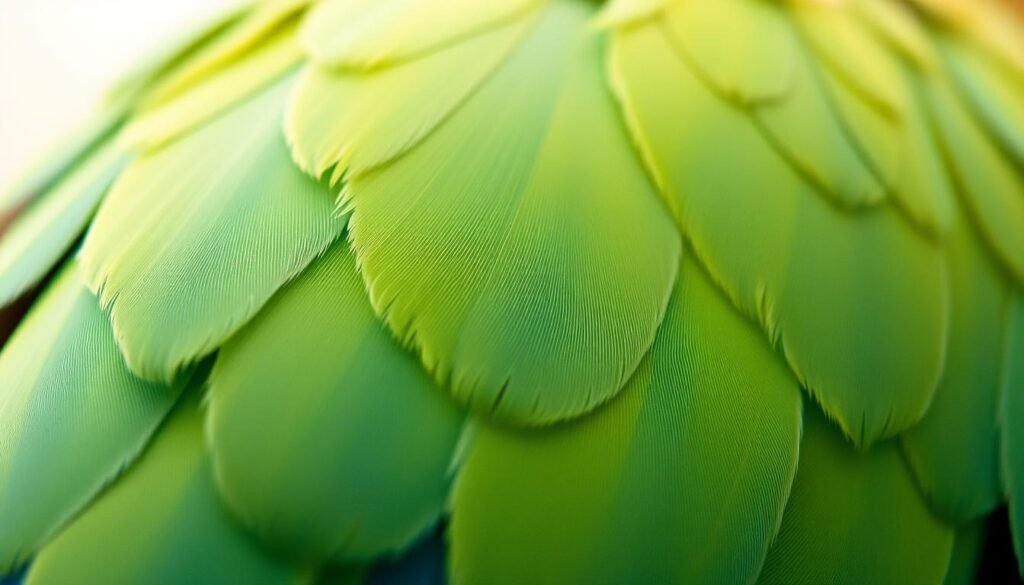
Professional artists know that realistic parrot illustrations depend on subtle details and expert blending. These advanced methods transform basic sketches into vibrant artworks.
Mastering color transitions separates amateur work from professional results. I approach each project with careful attention to blending techniques.
Color Blending and Feather Detailing Techniques
Feather details require layered application. I start with a small, soft brush for initial color blending.
A dedicated blending brush merges colors seamlessly. This creates natural transitions between vibrant plumage sections.
For wings and tail feathers, I apply soft shading along edges. Fine highlights add dimensional quality to each feather layer.
| Technique | Tool Required | Application Area | Result |
|---|---|---|---|
| Initial Blending | Small Soft Brush | Feather Layers | Smooth Color Base |
| Color Merging | Blending Brush | Transition Zones | Seamless Gradients |
| Edge Shading | Fine Tip Brush | Feather Borders | Dimensional Depth |
| Highlight Application | Small Round Brush | Feather Tips | Light Reflection |
Enhancing Depth with Light and Shadows
Strategic shadow placement defines your parrot‘s form. I use black paint for soft shading around edges and beneath the branch.
Eye highlights bring life to your illustration. A tiny white dot creates sparkle and intelligence.
The most realistic drawings capture not just appearance, but the living essence of the subject.
Ground shadows beneath feet and tail add stability. A blending brush softens edges for natural appearance.how-to-draw-bunny
These skills develop with practice over years. Each drawing builds your artistic experience.
Conclusion
Mastering the techniques for capturing these intelligent birds on canvas opens new creative possibilities. You should feel tremendous pride in completing your vibrant parrot artwork. Color blending presents challenges, but following structured steps leads to realistic results.
This comprehensive tutorial has equipped artists with professional methods for bird illustration. From anatomy basics to advanced shading, these skills serve any drawing project. Practice with different species helps develop your unique artistic voice.
While parrots face conservation concerns, creating art celebrating their beauty raises awareness. I encourage revisiting this parrot drawing tutorial to refine your techniques. Each attempt strengthens your abilities and confidence as an artist.