
Did you know that the global market for fantasy art, fueled by our love for mythical beasts, is projected to reach over $60 billion by 2028? This massive interest shows that creating unique creatures is more than a hobby; it’s a vibrant form of expression.
I am thrilled to guide you into this fascinating world where imagination knows no bounds. This comprehensive guide is designed for everyone. Whether you are just starting or are a seasoned artist, you will find valuable insights here.
We will explore everything from basic materials to advanced anatomy principles. I will share step-by-step techniques and creative approaches. The goal is to help you develop a distinctive style for your creature art.
Remember, the best monster art comes from a place of creative freedom. There are no strict rules, only endless opportunities to express your unique vision. Let’s build your confidence and unlock your artistic potential together.
Key Takeaways
- This guide welcomes artists of all skill levels, from beginners to experts.
- Learn fundamental techniques for creating compelling creature designs.
- Discover how to develop your own unique artistic style.
- Gain practical skills that can be applied to your artwork immediately.
- Embrace creative freedom as the core principle of monster art.
- Build confidence in your drawing abilities through structured guidance.
Introduction to Monster Drawing
My journey into creature art began with simple, whimsical sketches and evolved into a passion for designing complex, unique beings. I discovered that monsters represent one of the most liberating subjects for artistic expression. They allow you to break free from realistic constraints and explore pure imagination.
Throughout my experience, I’ve learned that these imaginary creatures provide the perfect opportunity to experiment. You can play with unusual proportions, bizarre features, and unexpected combinations. This process has been invaluable for developing my creativity over time.
Overview of My Monster Drawing Journey
This artistic path is inherently forgiving. Since these beings exist only in the mind, there is no “wrong” way to create them. This makes the subject ideal for building confidence, whether you are an adult, teen, or child.
I’ve structured this post to include various approaches that cater to different skill levels and interests. My goal is to ensure everyone finds techniques that resonate.
What You Will Learn in This Guide
In this comprehensive guide, I will share the fundamental techniques and creative approaches I’ve gathered. You will gain practical skills for your drawing practice.
My commitment is to show you that creature art is both a fun creative outlet and a valuable tool for developing essential artistic skills. These skills will positively transfer to other artistic pursuits.
Essential Materials and Tools for Monster Art

Quality materials are the foundation upon which great creature designs are built. The right supplies make your creative process smoother and more enjoyable. They help bring your imaginative visions to life with clarity and precision.
I recommend beginning with a light pencil sketch for your initial design work. This approach allows for easy adjustments as your concept develops. Once satisfied with your sketch, finalize the lines with ink before gently erasing the underlying pencil marks.
Choosing the Right Pencils and Inking Tools
Start with quality pencils that create light, erasable sketches. Having at least one reliable pencil for sketching and a good ink pen for final lines creates an effective workflow. Different pencil grades serve various purposes throughout your creative process.
For inking, explore options like fine-liner pens and brush pens. Each tool offers unique line qualities that can define your creature’s personality. The right combination elevates your artwork significantly.
Paper, Erasers, and Other Helpful Supplies
Paper selection matters more than many beginners realize. I suggest smooth bristol or quality sketch paper that handles both pencil and ink well. Good paper prevents bleeding and tearing during your creative work.
Quality erasers are essential for refining pencil work and cleaning guidelines after inking. Additional supplies like blending stumps and rulers can enhance your technique. For those interested in digital options, many traditional skills transfer well to digital formats.
Remember, these are suggestions to help you start strong. Your personal preferences will develop as you practice. For more detailed guidance, explore this comprehensive monster art tutorial that covers various approaches.
Understanding Monster Anatomy and Structure
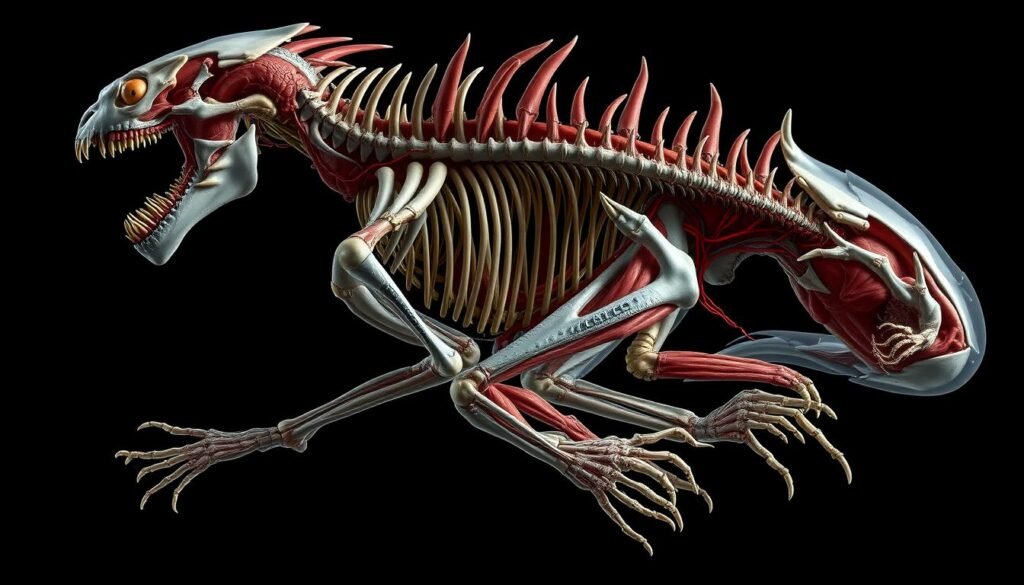
Before adding claws, fangs, or fur, the most critical step is establishing a strong underlying structure. This foundation determines your creature’s proportions and believability.
I approach every new design by breaking it into basic geometric forms. Complex beings become manageable when you see them as simple circles, rectangles, and organic shapes.
Breaking Down Basic Shapes and Lines
Every complex monster starts with simple shapes. A Frankenstein-style creature might begin with a rectangular head. A friendlier being could use a rounded, jellybean-like form for its body.
I always begin with light, curved lines. These initial marks allow for easy adjustment. They help establish proportion and placement without commitment.
For texture, I connect several “U” shaped lines to suggest tufts of fur. Overlapping curves create depth on the creature’s head and body.
Sketching the Monster’s Head and Body
When sketching the head, think about its connection to the body first. This establishes the core silhouette. Long, curved lines can outline the shape.
Adding short lines at the tips of these curves creates a furry appearance. This technique brings your monster to life. Building the body follows the same principle of maintaining proportional relationships.
This foundational approach to your creature drawing gives you complete control over its final look and emotional impact.
how to draw a monster: Step-by-Step Techniques
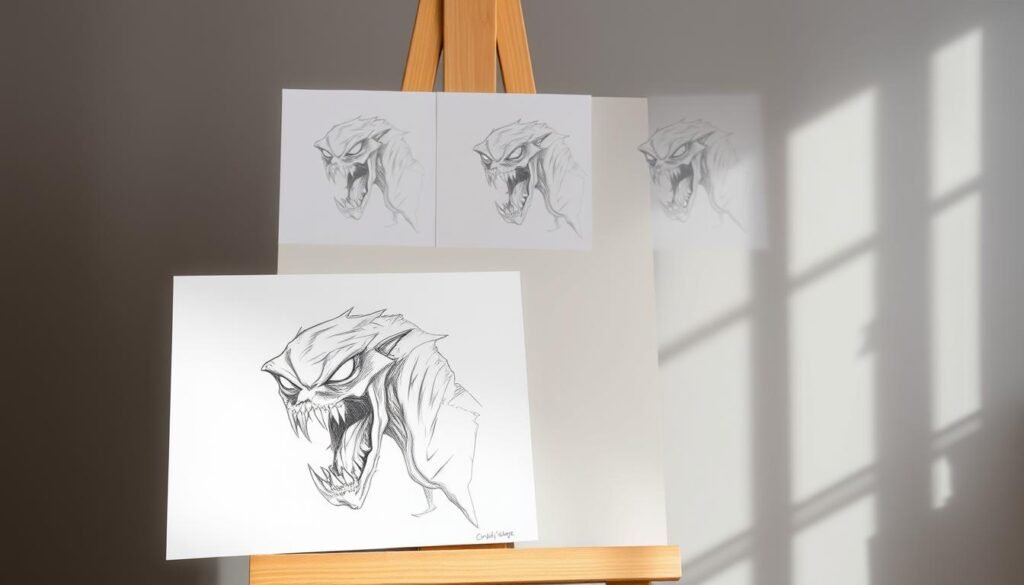
Breaking down the creative process into clear stages builds confidence and ensures successful results. I follow a systematic approach that transforms complex designs into manageable tasks.
Starting with a Light Pencil Sketch
Begin with gentle pencil marks to establish your creature’s foundation. The first step involves creating a jellybean shape for the body. This simple form determines overall proportions and posture.
Use light, curved lines that allow easy adjustments. Focus on blocking out the basic silhouette without worrying about details. This foundation sets the stage for all subsequent elements.
Defining Features: Eyes, Horns, and Mouth
The second step brings personality through facial elements. I consider eyes the most important feature for conveying character. Use a rounded “M” shaped line to outline them.
Add curved lines below for depth and shade small circles within each eye for pupils. Draw curved lines above to form expressive eyebrows. Make these features as wild as possible for maximum impact.
Continue by adding arms, teeth, and feet in the third step. The fourth stage involves fingers and toes—choose spiky or varied shapes. Finally, add distinctive elements like spikes down the back.
Throughout each stage, maintain light initial lines. This allows proportional adjustments before committing to final strokes. The systematic approach ensures compelling results.
Step-by-Step Guide for Varied Monster Drawings
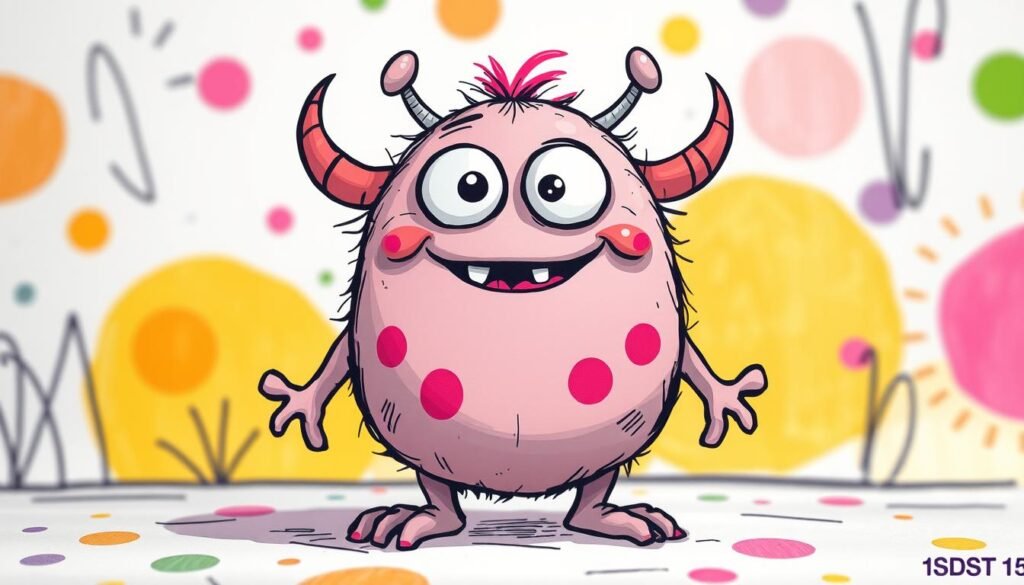
Exploring diverse monster styles opens up endless creative possibilities for artists at every level. I’ve compiled an extensive collection that ranges from charming companions to terrifying beasts. This variety ensures you’ll find approaches that match your personal artistic preferences.
Creating Cute and Quirky Monster Doodles
For those interested in friendly creatures, I provide detailed instructions for adorable designs. My cute monster drawing examples include heart-shaped beings and rabbit-inspired characters. These projects focus on soft curves and welcoming expressions.
The step-by-step process begins with simple shapes like ovals and circles. I show how slight modifications create completely different personalities. This approach makes each easy drawing project accessible yet rewarding.
Drawing Creepy Creatures and Classic Monsters
Alternatively, you might prefer traditional horror-inspired designs. My collection includes Frankenstein-style creatures using rectangular heads and running mummies. These classic forms tap into familiar pop culture references.
I demonstrate how sharp angles and exaggerated features create intimidating presences. The same foundational techniques apply, but with darker aesthetic choices. This tutorial section helps you master both ends of the emotional spectrum.
Whether creating a slime monster or Godzilla-inspired giant, the principles remain consistent. Start with basic forms, then layer distinctive characteristics. This method ensures successful results across all monster drawing styles.
Creative Techniques to Bring Your Monster to Life
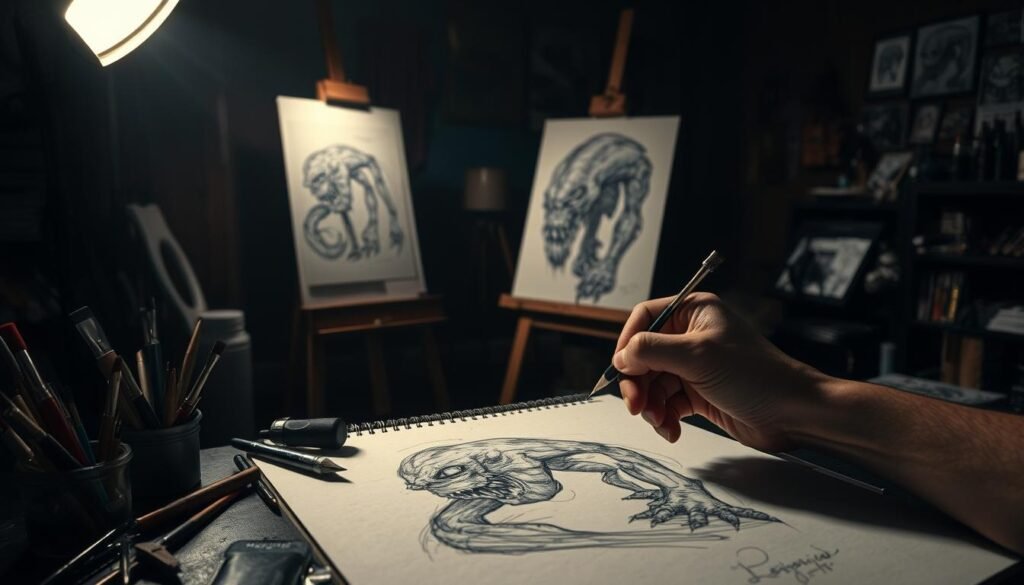
Moving from foundational shapes to fully-realized creatures involves adding depth, texture, and personality through careful finishing work. This stage transforms your basic sketch into a believable being that appears to occupy real space.
Enhancing Details with Shadows and Texture
I’ve developed specific techniques for creating convincing textures. Connected curved lines suggest fur when layered strategically. Overlapping these lines creates dimension and indicates hair growth direction.
Different line approaches produce various surface qualities. Short, choppy marks work for scales, while flowing curves create smooth skin textures. Jagged lines effectively portray rough, rocky surfaces on your creature.
Small details make significant impacts. Rounded triangular shapes form convincing claws at finger and toe tips. Curved lines below the mouth define the chin area beautifully. Strategic shading around features establishes three-dimensional form.
Incorporating Color and Finishing Touches
When it’s time to add color, embrace complete creative freedom. Since monsters are imaginary, unconventional palettes enhance personality. This is your opportunity to make bold choices.
Final touches elevate your work dramatically. Highlights in eyes create lifelike sparkle. Deepened shadows add drama and dimension. Refining edge quality gives your drawing professional polish.
Every element should serve a purpose—conveying texture, suggesting movement, or enhancing emotional impact. This approach ensures your final draw monster creation feels alive and compelling.
Learning from Established Monster Art Tutorials
Quality instructional content bridges the gap between raw imagination and technical execution. I’ve analyzed numerous resources to identify what makes certain tutorial approaches more effective than others.
Professional artists often create comprehensive learning packages. These may include thousands of PDFs and video demonstrations. The best resources provide clear, step-by-step guidance.
Insights from Popular Drawing Guides
Different teaching styles cater to various learning preferences. Some learners thrive with detailed written instructions. Others prefer video content showing the creative process in real time.
The right match between instructor and student significantly accelerates skill development.
I evaluate resources based on several key factors. Clear visual demonstrations are essential. The absence of disruptive ads creates better learning environments.
Comparing Different Styles and Approaches
Instructional methods vary widely across available resources. Some focus on anatomical realism while others emphasize stylized charm. This post examines these contrasting approaches.
| Tutorial Type | Primary Focus | Ideal For | Resource Format |
|---|---|---|---|
| Anatomy-Based | Realistic creature design | Advanced learners | Detailed PDFs |
| Cartoon-Style | Character expression | Beginners | Video tutorials |
| Hybrid Approach | Balanced technique | All levels | Ebook collections |
Downloadable resources offer particular value for dedicated practice. Students can reference materials offline or print them for easy access. Many platforms expand beyond monsters to include related subjects like fairy tale characters.
For those seeking structured guidance, I recommend this comprehensive monster art tutorial. It demonstrates professional teaching methodology without intrusive ads. The right tutorial can transform your approach to creature drawing.
Exploring various sources helps artists discover which instructional styles resonate with their personal learning process. This exploration itself becomes valuable skills development.
Innovative Ideas for Unique Monster Designs
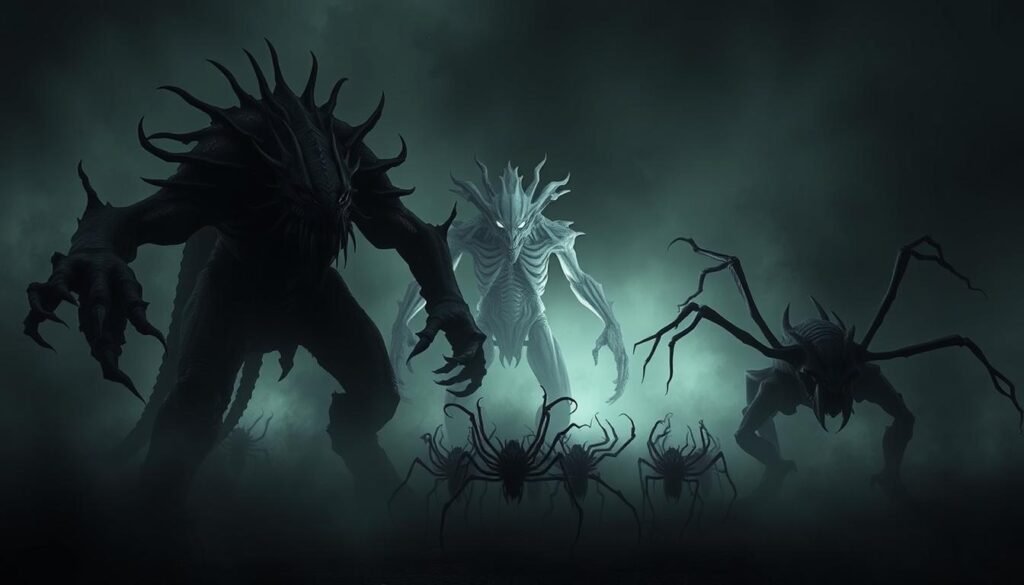
True innovation in monster creation comes from pushing beyond conventional boundaries and exploring unlikely pairings. I’ve discovered that the most captivating creature designs often emerge from combining familiar elements in unexpected ways.
Mixing Elements for Original Creatures
One powerful approach involves transforming ordinary objects into extraordinary beings. A simple heart shape becomes a monster when you add sharp teeth and multiple eyes. Everyday items like cardboard boxes or flowers can inspire completely original ideas.
Animal hybrids offer another rich source of creativity. Combining features from different species creates creatures that feel both familiar and fantastically strange. Adding distinctive elements like horns or spikes instantly transforms basic forms into memorable monsters.
Using Imagination to Experiment with Forms
When you draw monster variations, experiment with feature modifications. A creature with one eye conveys a completely different personality than a three-eyed being. Antennae eyes or unusual appendages can make your design truly unique.
I recommend keeping a sketchbook for rapid concept exploration. Challenge yourself to add two unexpected elements to every initial idea. This systematic approach helps discover which combinations resonate most strongly.
The key lies in giving yourself permission to combine seemingly incompatible concepts. Some of the most interesting designs emerge from these unlikely partnerships when you draw monster creations with complete creative freedom.
Tips for Practicing and Improving Your Drawing Skills

Developing mastery in creature art requires more than raw talent—it demands structured practice routines that target specific skill areas. I’ve found that consistent, focused effort yields better results than sporadic intense sessions.
My approach begins with light pencil sketches before committing to final lines. This methodical step builds patience and planning abilities essential for artistic growth.
Regular Practice and Experimenting with New Ideas
I recommend dedicating specific practice sessions to different aspects of creature creation. Focus one day on facial features, another on body proportions. This targeted approach systematically develops your artistic skill.
Experimentation is crucial for expanding your capabilities. Try new tools and challenge yourself with designs outside your comfort zone. Each session should include both structured exercises and free creative exploration.
Overcoming Creative Blocks and Mistakes
Creative blocks are inevitable in any artistic journey. When they occur, I switch to low-pressure exercises like quick gesture sketches. This helps rebuild momentum without pressure.
Mistakes should be reframed as learning opportunities. Analyze unsuccessful drawings to identify areas needing more focused practice. This learn-and-get-better cycle accelerates your progress significantly.
| Practice Approach | Primary Benefit | Recommended Frequency | Skill Focus |
|---|---|---|---|
| Structured Exercises | Technical proficiency | 3-4 times weekly | Specific drawing techniques |
| Free Exploration | Creative expression | 2-3 times weekly | Original monster drawing concepts |
| Skill Review Sessions | Progress assessment | Weekly | Identifying improvement areas |
For comprehensive guidance on developing your practice routine, explore this detailed monster art resource. Consistent practice over time inevitably leads to measurable improvement in your artistic abilities.
Conclusion
The techniques and approaches shared throughout this post provide a solid foundation for developing your own distinctive monster art style. I’ve demonstrated various methods, from creating a cute monster with friendly features to designing more complex creatures.
Remember that every drawing you create contributes to your artistic growth. The step-by-step processes make even intricate designs feel achievable. This approach to easy drawing ensures success for artists at any skill level.
Experiment with different elements like expressive eye configurations or distinctive horns. Each monster you design reflects your unique creative vision. The most memorable cute monster creations often come from playful experimentation.
I encourage you to revisit these techniques as your skills evolve. Your journey in creature art is just beginning, with endless possibilities ahead.