

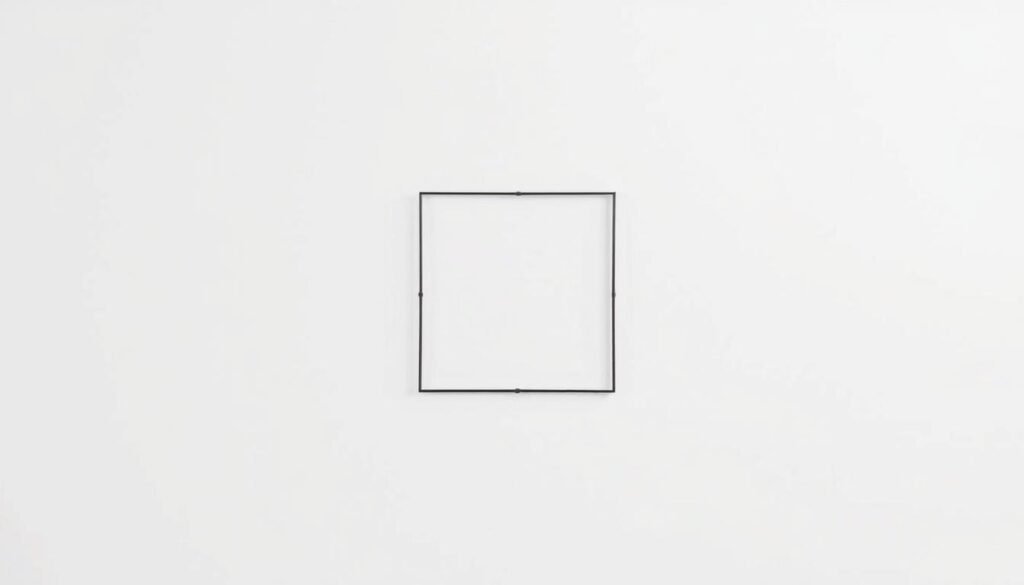
Did you know that our brains are wired to complete visual patterns, often seeing a full shape from just a few suggestive marks? This principle is the foundation of a fascinating geometric challenge: creating a perfect square using only three strokes.
This method breaks from tradition. Most people use four separate lines to construct this classic shape. My tutorial explores a more creative path. It relies on strategic placement and an understanding of visual perception.
I created this guide to unlock new artistic possibilities. Mastering this technique strengthens spatial reasoning and offers a fresh perspective on form. It’s about working smarter, not harder, in geometric art.how-to-draw-a-horse
Throughout this article, I will maintain a professional yet accessible tone. My goal is to make these concepts clear for artists of all levels. You will learn a step-by-step process to successfully replicate this unique approach.
Key Takeaways
- Learn the core principle of creating a square using only three strategic lines.
- Understand how visual perception allows our minds to complete geometric shapes.
- Discover the difference between this method and the traditional four-line approach.
- Gain a deeper understanding of spatial reasoning through minimalist drawing.
- Follow a clear, step-by-step guide designed for artists at any skill level.
- Enhance your geometric art skills with a unique and creative technique.
Introduction to the Unique Geometric Challenge
Our cognitive system automatically fills in missing visual data, making minimalist geometric representation possible and effective. This principle forms the foundation of creating a complete shape using only partial information.how-to-draw-a-pumpkin
Understanding the Concept Behind Minimal Lines
The technique relies on strategic placement of three strokes to suggest a four-sided shape. Viewers mentally complete the missing elements based on visual cues and spatial relationships.
This approach differs significantly from constructing a triangle. A triangle naturally requires three sides, making it straightforward. Representing a square with the same number of lines demands careful consideration of angles and perspective.
Strategic line placement guides perception. The angle and convergence of these strokes create the illusion of completeness. This method demonstrates how minimalist approaches can be equally valid as traditional techniques.how-to-draw-a-flower-easy
My Journey into Geometric Art
When I first encountered this concept, several questions arose about its validity. Does it truly create a square or merely suggest one? Exploring different views on geometric completeness transformed my understanding.
This exploration opened new creative possibilities in my work. Understanding how minimal lines can define complex shapes has fundamentally changed my approach to geometric art.
Getting Started: Tools and Basic Concepts
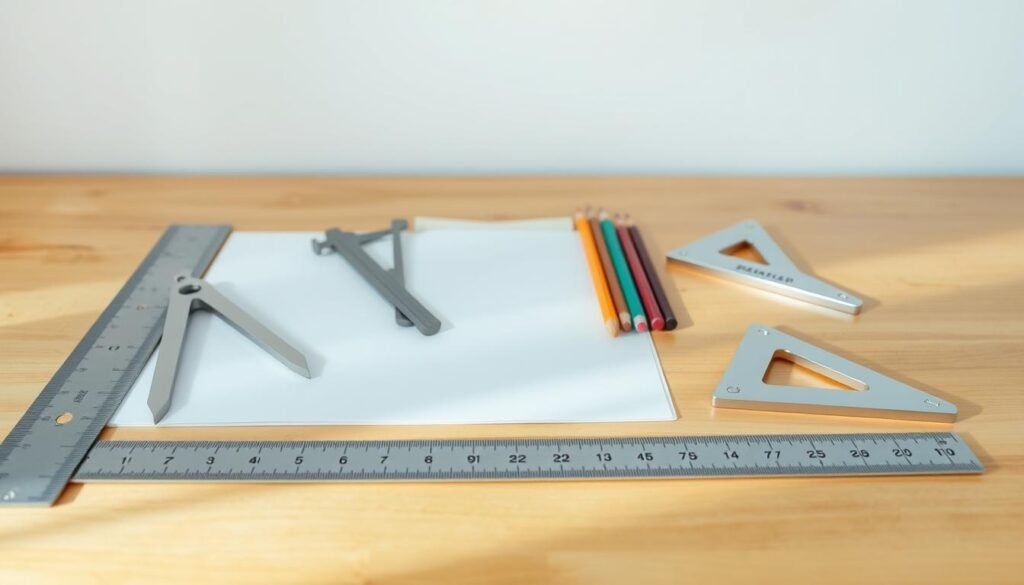
The quality of your geometric artwork depends heavily on your initial setup and material choices. Proper preparation ensures clean, precise results when working with minimalist techniques.
Essential Materials and Preparation
For basic geometric work, simple tools like ballpoint pens or fineliners work well. The right materials make the task of creating precise forms much easier. Choose smooth paper that allows clean line work without bleeding.how-to-draw-a-bunny-easy
| Tool Type | Best For | Precision Level | Beginner Friendly |
|---|---|---|---|
| Ballpoint Pen | Practice sketches | Medium | Yes |
| Fineliner | Final artwork | High | Moderate |
| Mechanical Pencil | Planning stages | Very High | Yes |
| Graphite Pencil | Quick studies | Medium | Yes |
Establish reference points on your page before beginning. These markers guide your stroke placement. They ensure proper proportions for each side of your shape.
Practice with basic forms like a triangle first. This builds spatial awareness and hand control. Simple shapes prepare you for more complex challenges.
Mark key points that will anchor your strokes. Visualize the complete form before making marks. This mental preparation is crucial for success when you draw square forms with minimal elements.
The first stroke establishes the foundation. Subsequent marks must relate to specific measurements. This approach helps you draw square proportions accurately with limited elements.
how to draw a square with 3 lines

Strategic positioning of strokes can create powerful visual suggestions that the mind completes automatically. This technique relies on careful placement rather than full outline construction.
Step-by-Step Process and Technique Overview
Begin by establishing your foundation line. This first stroke defines one edge of your geometric form. Position it horizontally or vertically as your reference point.how-to-draw-the-cake
Next, add two connecting strokes at precise angles. These marks should meet the endpoints of your baseline. They create corner points that suggest the remaining boundaries.
The three elements work together through strategic placement. Each stroke represents critical sides while allowing perception to complete the fourth. This creates the illusion of a complete shape.
Maintain equal proportions between your marks. Ensure angles approach 90 degrees for proper square representation. Precision prevents the shape from appearing as a rectangle.
Consider line weight and clarity in your execution. Bold, clean strokes enhance the geometric suggestion. The technique relies on unmistakable visual cues.
Alternative approaches include starting with a diagonal foundation. Two perpendicular lines at the ends can establish the framework. Each method demonstrates the versatility of minimalist geometric art.
Tips for Perfecting Your Geometric Art
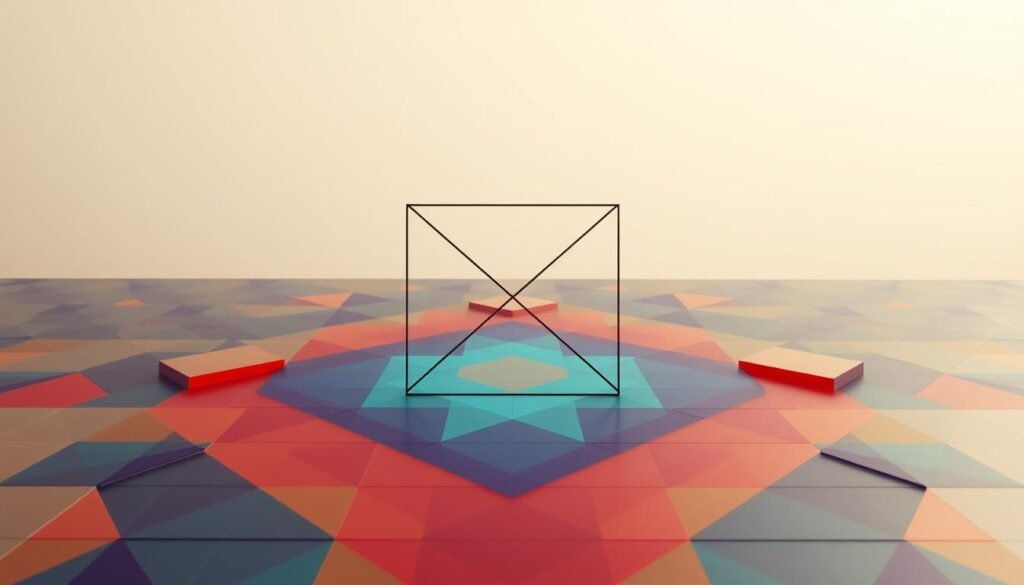
Advanced methods can elevate your three-stroke square from basic to professional. These refinements ensure geometric precision and visual impact.
Advanced Techniques and Line Extensions
Line extensions provide critical feedback for shape accuracy. Extend your strokes mentally or with light pencil marks to verify convergence points.
Checking the angle between each stroke ensures proper vertices formation. All intersections should suggest 90-degree corners for a true square.
| Method | Purpose | Accuracy Level |
|---|---|---|
| Line Extension | Verify convergence points | High |
| Angle Measurement | Check corner precision | Very High |
| Visual Estimation | Quick proportion check | Medium |
| Grid Reference | Ensure parallel sides | Maximum |
Troubleshooting Common Pitfalls
The most frequent issue involves incorrect angles creating trapezoid shapes. Adjust stroke placement to maintain equal side proportions.how-to-draw-a-zebra
Practice this technique multiple times to develop spatial intuition. Repetition builds muscle memory for consistent results.
Understanding the triangle-square relationship helps visualize implied geometry. Three strategic lines can powerfully suggest four complete sides.
Conclusion
Geometric economy—creating maximum impact with minimal elements—stands as a cornerstone of advanced artistic technique. This approach transforms how we perceive and construct forms on the page. The ability to suggest complete shapes with partial information demonstrates sophisticated spatial understanding.
Practice this method multiple times to develop intuition. Each session builds your ability to account for visual perception. The principles learned here extend beyond this specific task to enhance all your geometric work.
This technique answers fundamental questions about artistic efficiency. It shows that true mastery lies not in the number of strokes, but in their strategic placement. Apply these concepts to other forms using the reference points you’ve developed.