

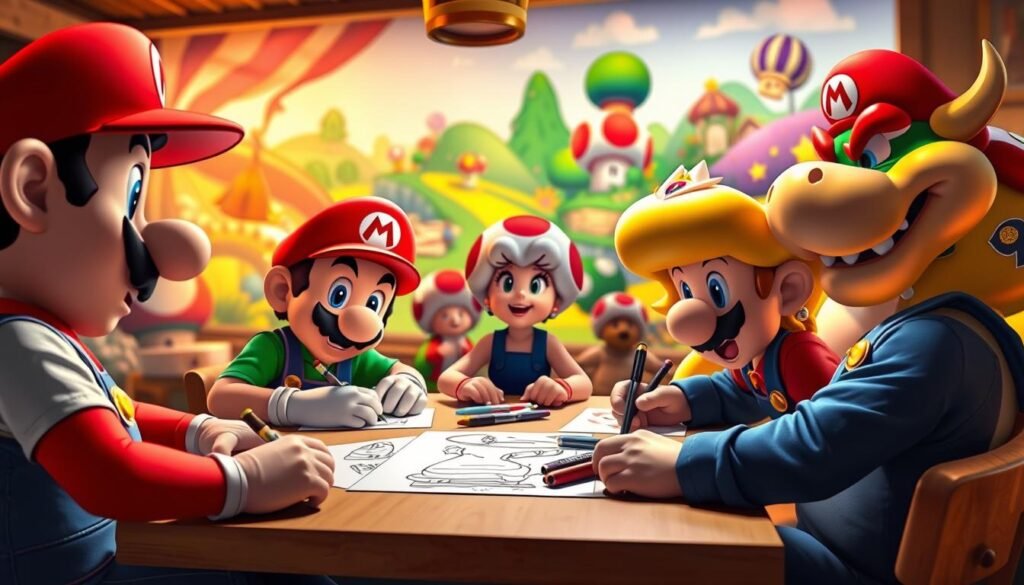
Since his debut in 1981, the Super Mario franchise has sold over 400 million copies, making it the best-selling video game series of all time. This incredible popularity means millions of fans dream of bringing these iconic figures to life on paper.
I am thrilled to guide you through the vibrant world of the Mushroom Kingdom. This guide is designed for everyone, from complete beginners to seasoned artists. We will explore the unique charm of each character.
My approach breaks the process into simple, manageable stages. We start with basic shapes and progress to detailed features and shading. You will learn to capture the personality of heroes and villains alike.
This journey will cover essential tools and artistic techniques. The goal is to build your confidence for creating original artwork. You can find additional inspiration and steps for specific Mario characters to expand your skills.
Key Takeaways
- The Super Mario universe offers a fantastic starting point for learning video game art.
- Mastering basic shapes is the foundation for accurately drawing any character.
- Each character has distinct features that define their personality and charm.
- Step-by-step tutorials make the artistic process accessible for all skill levels.
- Practicing these techniques builds confidence for personal fan art projects.
- Understanding proportions is key to capturing the classic Mario art style.
Introduction to Mario Character Drawing
From humble 8-bit beginnings to modern 3D masterpieces, the visual representation of these iconic figures has undergone remarkable transformation. Understanding this artistic journey provides valuable context for your creative work.how-to-draw-spider-man
The Evolution of Mario Art
The Super Mario franchise showcases decades of artistic progression. Early games featured simple pixelated designs that became globally recognized.
Technological advances brought dramatic changes to the mario series. Characters evolved from flat 2D sprites to fully dimensional models.
Core design elements remained consistent throughout this evolution. The recognizable features create a timeless quality across different artistic interpretations.
| Art Style | Key Characteristics | Representative Games |
|---|---|---|
| Classic/Paper Mario | Simple shapes, flat colors, cartoon aesthetic | Original Super Mario Bros, Paper Mario series |
| 3D Galaxy Style | Dimensional features, realistic shading | Super Mario Galaxy, Odyssey |
| Kawaii/Chibi | Cute proportions, simplified details | Various merchandise, fan art |
Spin-off titles like Mario Kart and Super Smash Bros. introduced additional artistic diversity. This variety gives artists creative freedom in their approach.
Exploring different interpretations helps you find your preferred style. Many tutorial resources demonstrate multiple approaches to capturing these beloved figures.
Essential Tools and Techniques for Drawing Mario Characters
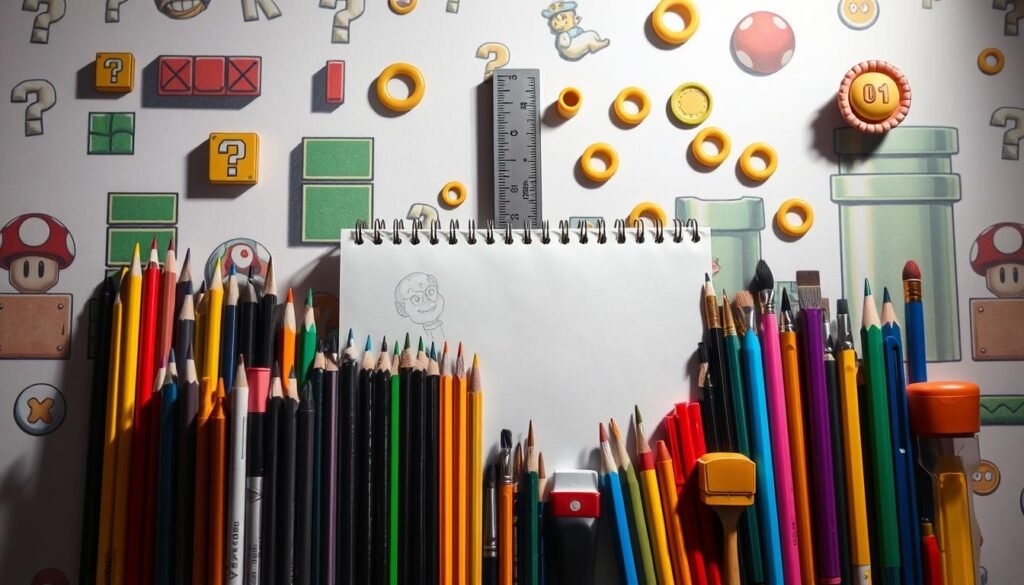
The journey into video game character creation requires both quality supplies and systematic methods that simplify complex designs. I approach this process with a focus on accessibility and progressive skill development.
Gathering Materials and Setup
I always begin with basic supplies that most artists already own. Quality pencils, erasers, and standard paper form the foundation of any successful drawing session.
Proper workspace setup significantly impacts your results. Good lighting and comfortable seating make extended step-by-step sessions more productive. Reference images should be visible throughout your work.
The right tools don’t make the artist, but they certainly make the journey smoother.
Basic Drawing Methods for Video Game Art
My preferred approach involves breaking complex forms into simple geometric shapes. This draw basic technique builds confidence before adding detailed features.
Video game art demands clean lines and bold silhouettes. I start with light pencil sketches, allowing adjustments before finalizing darker outlines. This method works perfectly for cartoon styles.
| Tool Type | Essential Items | Purpose |
|---|---|---|
| Drawing Implements | HB & 2B pencils, eraser | Initial sketching and corrections |
| Paper & Surface | A4 or letter-size paper | Standard working format |
| Finishing Materials | Markers, colored pencils | Final outlines and color |
Understanding these foundational principles prepares you for more advanced Super Mario artwork. The systematic approach ensures consistent improvement with each session.
Understanding Iconic Mario Features
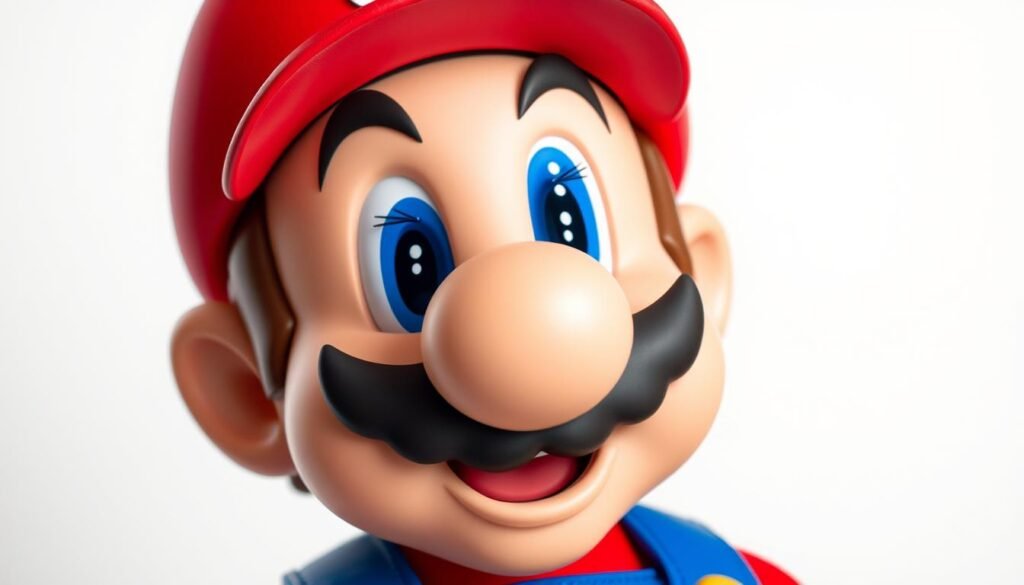
Before putting pencil to paper, I always study the core visual elements that define each character‘s identity. Recognizing these signature features separates amateur attempts from authentic renderings that capture the spirit of the super mario series.how-to-draw-the-tiger
Key Character Elements and Proportions
I notice that super mario characters follow distinct proportional rules. Most figures feature oversized heads compared to their bodies, creating an appealing cartoon aesthetic. This approachability makes them perfect subjects for artists.
The eyes deserve special attention in any character study. They’re typically large, round, and positioned to convey friendliness. Simple white highlights bring these eyes to life with minimal detail.
| Character | Signature Feature | Proportion Ratio |
|---|---|---|
| Mario | Red hat with “M” emblem | Head:Body – 1:1.5 |
| Luigi | Green color scheme, taller build | Head:Body – 1:1.6 |
| Toad | Red and white mushroom cap | Head:Body – 1:1 |
| Bowser | Spiked green shell | Head:Body – 1:2 |
Analyzing Signature Details from the Series
Mario’s most iconic elements include his large round nose and trademark red hat. The curve of his mustache and specific shade of his hat require careful observation. These details make the character instantly recognizable.
Different figures have unique identifiers beyond color schemes. Bowser’s spiked shell and fierce expression contrast with Toad’s simple mushroom cap design. Princess Peach’s elegant crown and dress flow with her movements.
I’ve found that accessories must follow perspective and motion. This understanding creates dynamic poses rather than stiff drawings. For additional character analysis examples, study how these elements work together.
Mastering these foundational features ensures your artwork captures the essence of these beloved figures. The super mario series offers rich material for developing artistic skills through recognizable characters.
how to draw mario characters
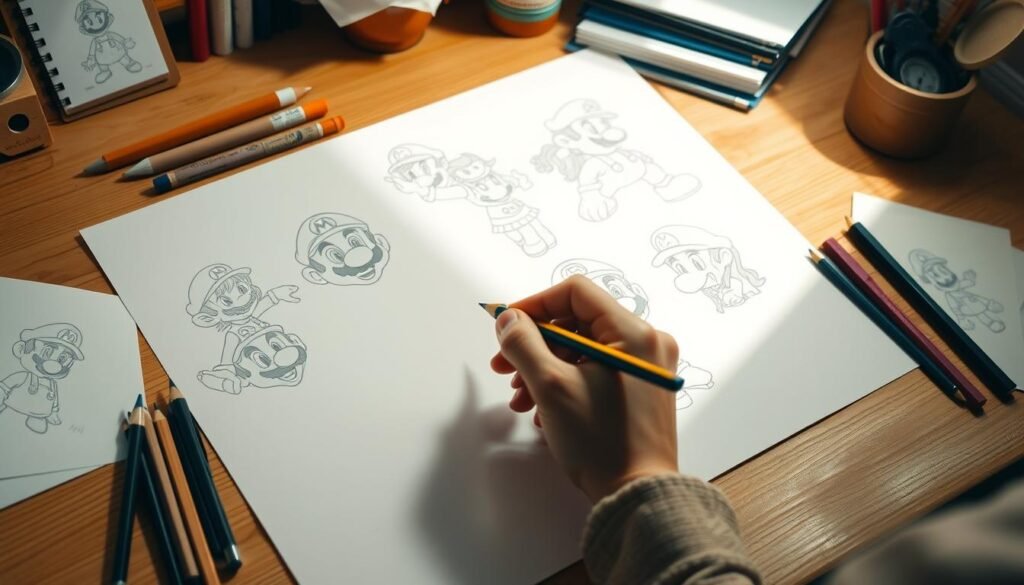
I break down character creation into clear, progressive stages that build confidence at every level. This systematic approach ensures consistent results whether you’re new to art or refining existing skills.
Step-by-Step Tutorial for Beginners
My foundation method begins with basic shapes. A large circle forms the head while a smaller oval creates the body structure.how-can-i-draw-a-monkey
Facial features come next with the signature nose placed centrally. I then add circular eyes and the distinctive curved mustache. The cap with its emblem completes the recognizable silhouette.
For the body, I demonstrate the overalls straps forming a Y-shape. Simple mitten-like hands and basic shoes finish the initial sketch.
Advanced Techniques for Refined Details
Experienced artists can elevate their work with nuanced additions. Dimensional shading brings characters to life with depth and volume.
Refining specific elements like glove textures and overall stitching adds authenticity. Dynamic poses inject personality into your artwork.
| Aspect | Beginner Approach | Advanced Technique |
|---|---|---|
| Foundation | Basic circles and ovals | Gesture lines and flow |
| Details | Essential features only | Texture and subtle elements |
| Finishing | Clean outlines | Shading and highlights |
This step-by-step process works for various styles from standard proportions to chibi versions. Practice builds muscle memory for consistent improvement.
Drawing the Heroes: Mario, Luigi, and Friends
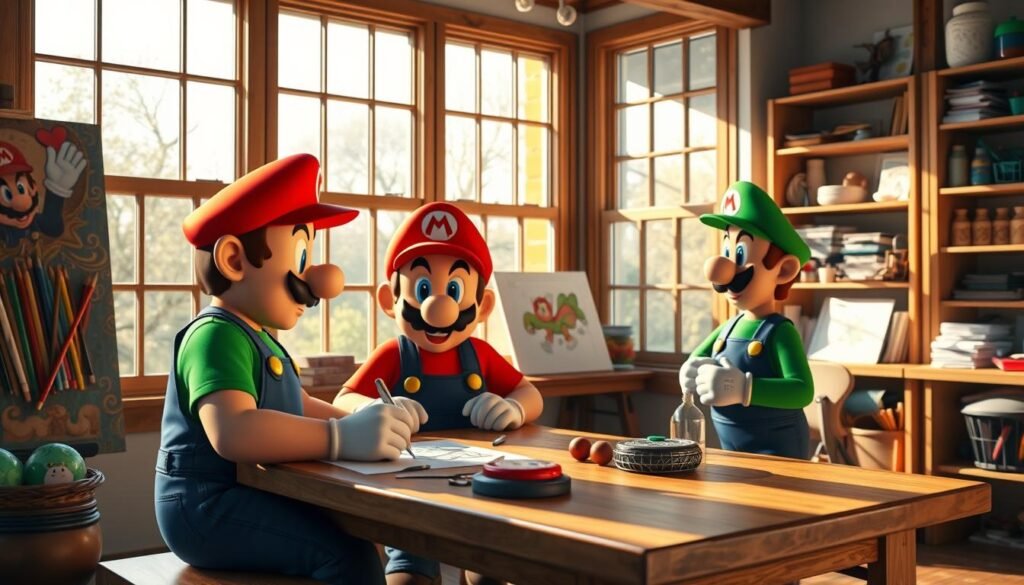
Creating authentic renditions of these gaming icons begins with understanding their individual design elements. Each hero possesses distinct features that require specific attention for accurate representation.
Capturing Mario’s Signature Look
I focus on Mario’s confident posture and cheerful expression when rendering this beloved character. His bright eyes and friendly smile beneath the iconic mustache define his heroic personality.
The classic red hat with its distinctive “M” emblem sits prominently above his round face. Blue overalls over a red shirt create the familiar color scheme that makes him instantly recognizable.
Perfecting Luigi and Friend’s Features
Luigi shares his brother’s basic structure but requires subtle adjustments. I emphasize his taller, thinner build and the signature green color scheme that distinguishes him.
For Princess Peach, flowing lines create her elegant pink dress and voluminous blonde hair. Her delicate crown requires careful attention to gem details for authentic representation.
Toad presents a unique challenge with his mushroom cap head. I demonstrate proper dimension for the red and white spotted cap connecting to his small body.how-to-draw-books
Baby Mario offers a fun variation with exaggerated infant proportions. Larger eyes and simplified clothing details capture that adorable look from the mario bros series.
Bringing Villains and Supporting Characters to Life
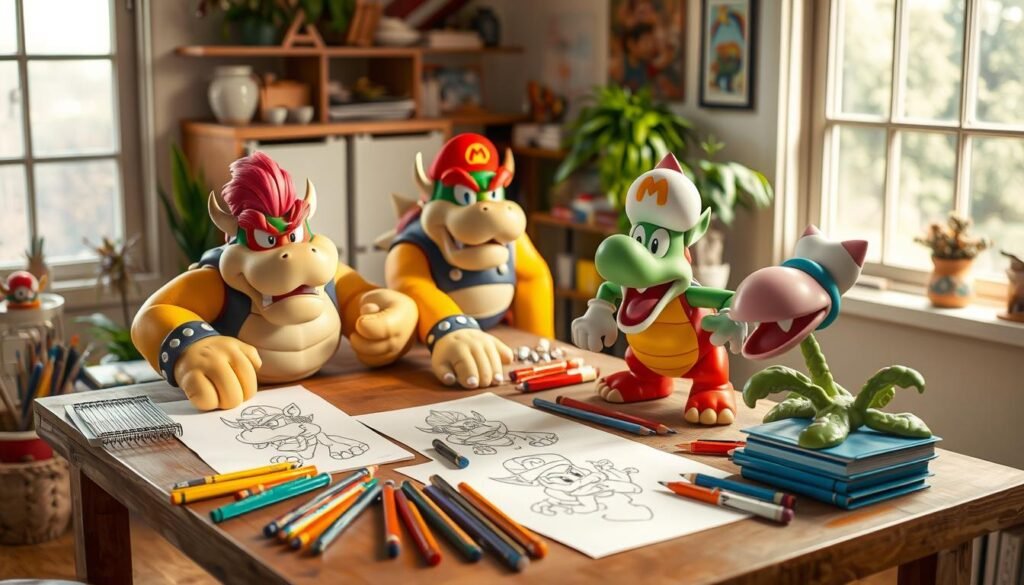
The villains and supporting cast in the Super Mario universe present unique artistic challenges that are incredibly rewarding to master. These characters often feature more complex designs than the heroes, requiring careful attention to distinctive elements that define their personalities.
Sketching Bowser, Koopa Troopa, and Shy Guy
I approach Mario Bowser by starting with his massive reptilian head and powerful yellow body. The contrast between his bright form and spiked green shell creates immediate visual impact. His wild red mane and fierce expression convey the menace central to this archenemy.
The Koopa Troopa offers a simpler but equally iconic design to practice. I focus on the turtle-like body with its distinctive colored shell, paying special attention to the curvature and segment divisions. The small head with beak-like mouth completes this classic Mario Bros antagonist.
For the beloved Shy Guy, I emphasize the contrast between his simple white mask and villainous role. The red hooded robe and timid posture create an endearing appearance that belies his mischievous nature. This character demonstrates how minimal features can convey strong personality.
King Boo presents unique challenges with his ghostly, floating form. I show techniques for suggesting transparency in his rounded body while highlighting his elaborate crown. Each villain’s pose—from aggressive stances to timid postures—helps communicate their distinct role in the series.
Incorporating Color and Shading in Your Artwork
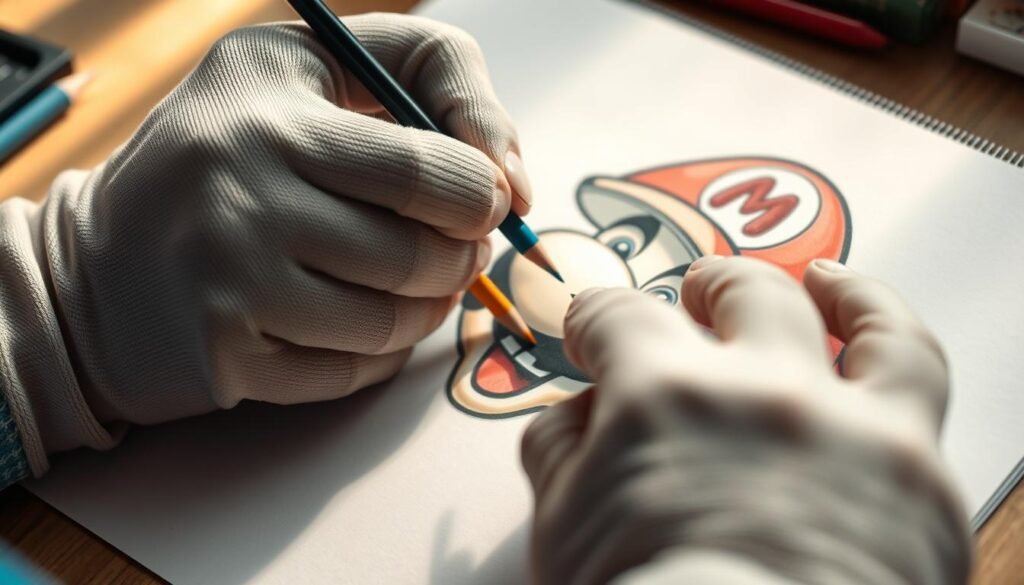
Color application transforms simple sketches into vibrant artworks that capture the spirit of the Mushroom Kingdom. This stage elevates your line work into finished pieces that pop with personality.
I focus on selecting bold, saturated hues that define the Super Mario universe. Muted tones rarely appear in this bright, cheerful aesthetic.how-do-i-draw-a-boat
Selecting Vibrant Color Palettes
Character-specific colors require careful attention. Princess Peach needs a delicate pink for her dress, not the hot pink some artists choose.
Her gold crown and blue jewelry complete the royal look. Each figure has signature colors that make them instantly recognizable.
Background elements should complement your characters. Various greens for grass and pipes create authentic Mushroom Kingdom settings.
Mastering Shading and Texturing Techniques
Shading adds dimension without compromising the cartoon style. I use darker versions of base colors instead of gray or black.
Texturing differentiates materials within your picture. Princess Peach’s smooth dress requires different treatment than Bowser’s rough shell.
Studying official artwork reveals specific color relationships. This approach ensures your final drawing looks professionally rendered.
Creative Variations and Personal Style in Mario Art
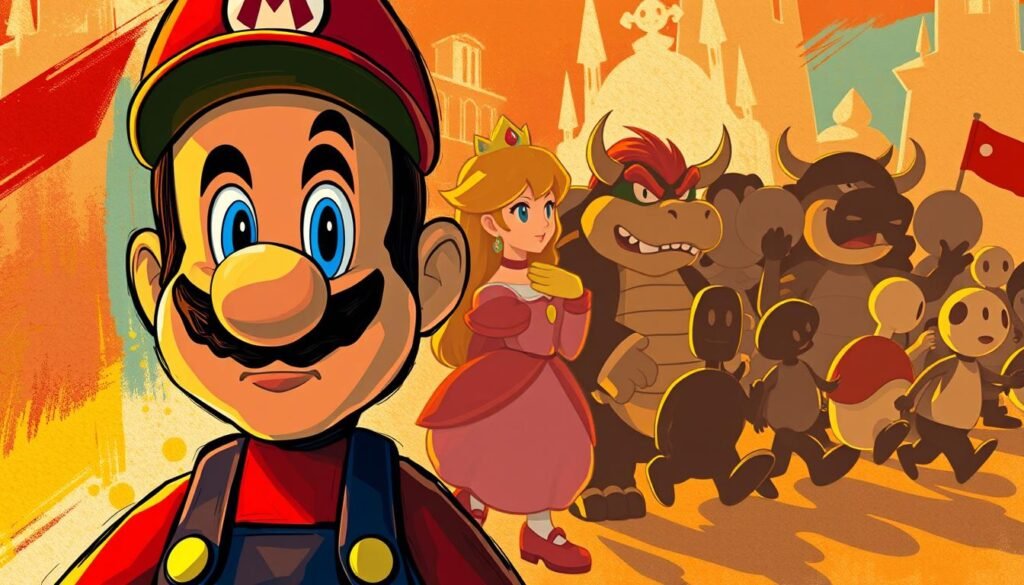
The versatility of these gaming icons across different visual interpretations offers artists tremendous creative freedom. I encourage developing personal approaches while maintaining recognizable character elements.how-to-draw-a-cactus
Exploring Unique Styles and Cartoon Effects
Different artistic interpretations showcase the flexibility of this beloved series. The Paper Mario approach features flat, two-dimensional designs with bold outlines.
This style demonstrates how simplification effectively conveys personality. For dimensional work, the Super Mario Galaxy aesthetic provides detailed rendering.
Kawaii or Chibi versions exaggerate cute proportions with larger heads and sparkling eyes. Retro pixel art pays homage to original 8-bit game designs.
| Art Style | Key Features | Best For |
|---|---|---|
| Paper Mario | Flat colors, minimal shading | Graphic simplicity |
| Super Mario Galaxy | 3D rendering, subtle gradients | Modern polish |
| Kawaii/Chibi | Exaggerated cuteness | Adorable interpretations |
| Retro Pixel | Grid-based design | Nostalgic tribute |
Video tutorials demonstrate countless creative approaches to this cartoon universe. Motion lines and impact bursts create dynamic, game-inspired artwork.
Experimenting with different mediums naturally influences your personal style. The Mario Galaxy series shows remarkable versatility across visual interpretations.
This creative exploration makes drawing these figures endlessly engaging. Maintaining core elements ensures instant recognition while allowing artistic expression.
Conclusion
The skills developed throughout these tutorials extend far beyond the Mushroom Kingdom. You now possess foundational techniques applicable to various artistic endeavors.
Regular practice with the step-by-step methods will build your confidence. The extensive roster of over twenty-two characters from the mario series provides endless creative opportunities.
Explore related games like Super Mario Bros and Mario Bros. for additional inspiration. Characters such as Yoshi and Donkey Kong offer new challenges with their unique features and expressive eyes.
Your journey with these iconic mario characters has just begun. Continue developing your personal style while honoring the classic designs that make this universe so beloved.