

Did you know that over 97% of people worldwide can identify this beloved character just from his silhouette? That’s the incredible power of an icon created nearly a century ago that continues to capture hearts across generations.
I’m thrilled to present this comprehensive tutorial designed specifically for Disney enthusiasts who want to master creating this legendary figure. The approach I’ve developed starts with fundamental shapes and builds toward a complete, recognizable illustration.
Whether you’re picking up a pencil for the first time or looking to refine your artistic abilities, this guide provides a structured path to success. I’ll share professional techniques that transform basic sketching into authentic character creation.
You’ll discover insider tips and common pitfalls to avoid throughout our journey. By following this methodical process, you’ll gain the confidence to produce illustrations that truly capture the magic of this timeless character.
Key Takeaways
- Master the fundamental shapes that form the foundation of this iconic character
- Learn professional techniques for creating authentic Disney-style illustrations
- Understand common mistakes and how to avoid them in your artwork
- Develop confidence in your artistic abilities through structured progression
- Create recognizable characters using simple, step-by-step methods
- Gain insider knowledge that transforms basic sketching into professional work
- Build skills that can be applied to other cartoon character creations
Getting Started with Your Drawing
Before your pencil ever touches the page, a bit of planning can dramatically improve your final drawing. I believe a comfortable setup is just as important as your skill. Let’s ensure you have everything needed for a smooth creative session.
Gathering Your Materials
I recommend starting with a few essential items. A reliable pencil with a good eraser is your most important tool. For this sketch, a standard HB or 2B pencil works perfectly. It creates light marks that are easy to adjust.how-to-draw-a-flower
Have several blank sheets of paper ready. This removes the pressure to be perfect on the first try. Many people find that having extra page space encourages experimentation.
Don’t worry about making mistakes—even Walt Disney made multiple sketches and had to start over.
This mindset is crucial for learning. Keep your materials organized and within easy reach. This simple step helps maintain focus once you begin your illustration.
Setting Up Your Workspace
Your environment plays a key role. Find a well-lit area with a flat, stable surface. Good lighting helps you see your drawing clearly and avoid eye strain.
Comfort is vital for longer practice sessions. A clutter-free space allows your creativity to flow without frustrating interruptions. This preparation makes the entire process more enjoyable.
| Material | Recommended Type | Key Benefit |
|---|---|---|
| Pencil | HB or 2B Graphite | Creates light, erasable sketch lines |
| Paper | Standard Printer or Sketchbook | Provides ample space for practice attempts |
| Eraser | Kneaded or Vinyl | Allows for clean corrections without damaging the page |
Understanding the Iconic Features of Mickey Mouse
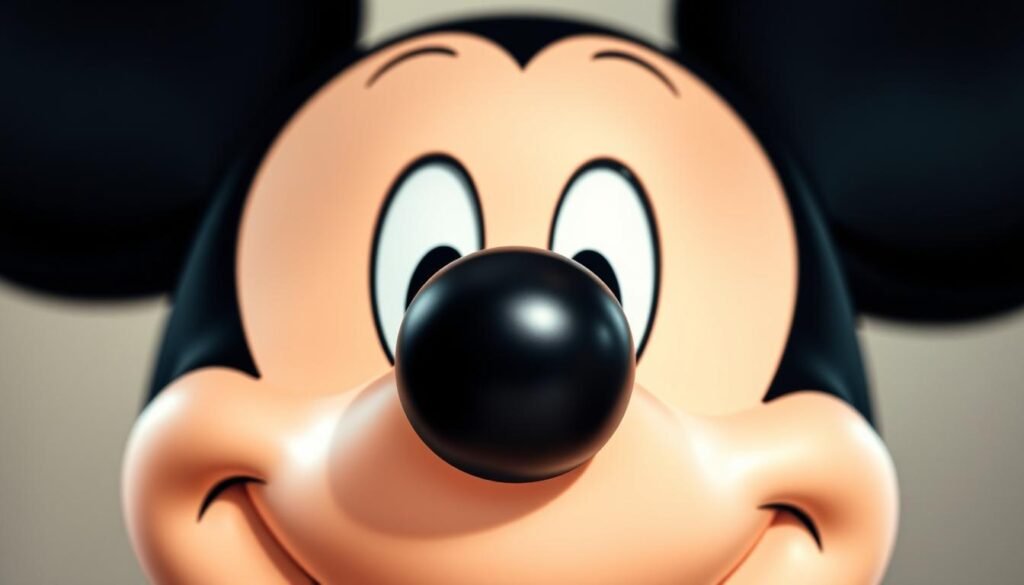
Successful character illustration begins with understanding the signature features that define this beloved Disney personality. I want to help you recognize what makes Mickey Mouse instantly identifiable by examining his key facial characteristics.how-to-draw-a-face
Identifying Key Facial Characteristics
The face of this iconic cartoon character features several distinctive elements. His prominent rounded nose with a special button on top creates a central focal point. Large circular ears frame the head symmetrically.
Expressive oval-shaped eyes sit above the nose, conveying warmth and personality. The character’s wide, friendly smile extends across the lower portion of his face. These proportions have remained consistent throughout his history.
Understanding these features before drawing helps maintain proper scale. The nose occupies a central position while the eyes align symmetrically above it. The ears appear notably large compared to the head size.
I emphasize the button detail as it adds dimension to the character’s appearance. By familiarizing yourself with these elements, you develop a mental template. This guides your hand through each step of creating Mickey Mouse.how-to-draw-a-person
Mastering these iconic characteristics ensures your final drawing captures the authentic essence. The proper proportions create that instantly recognizable face rather than a generic mouse character.
Basic Shapes and Guidelines for the Head
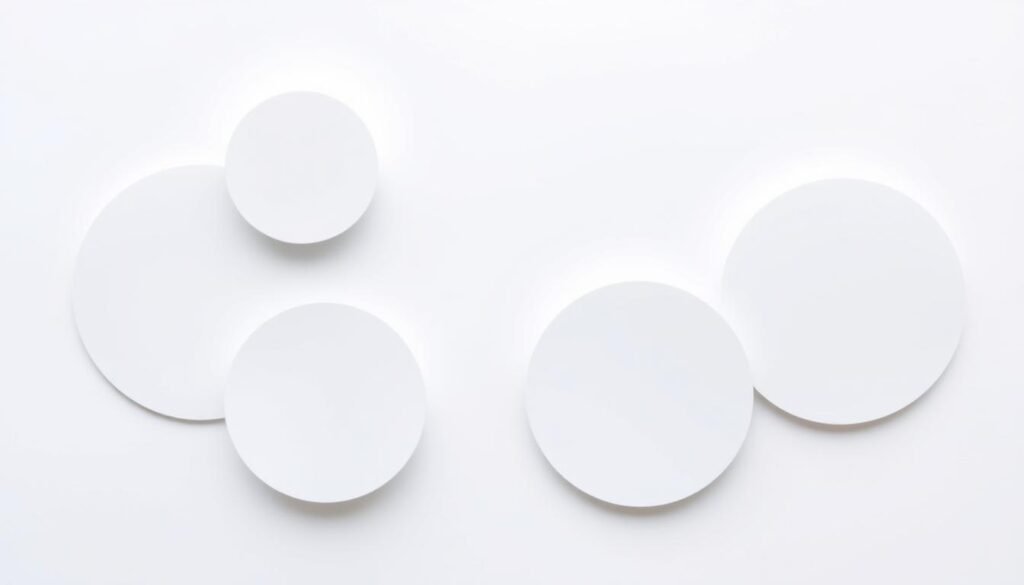
Every great character drawing begins with mastering basic geometric forms. I start all my tutorials with simple circle shapes because they create the perfect foundation. This approach ensures proper proportions from the very beginning.
Drawing the Main Circle and Ovals
I begin by creating the main portion mickey head with a single circle. Use your pencil to draw circle in the center of your page. Make this initial shape as round as possible since it determines your drawing’s final size.how-to-draw-stitch
Many students struggle with freehand circles. I recommend tracing a circular object if needed. This technique guarantees perfect circles for your foundation. The main portion mickey head structure depends on this initial accuracy.
Establishing Center and Contour Lines
The next step involves creating guide lines on the left side of your circle. Start from the top and curve around to form a crescent shape. Add another line from the middle left side downward in a U-shaped arc.
These intersecting lines create crucial reference points. They help position facial features like ovals for eyes with precision. I always use light pressure since you’ll erase these guides later.
The intersection point becomes your primary landmark for feature placement. This method ensures symmetrical results every time. Taking time with these basic shapes pays off in your final portrait’s quality.
mickey mouse how to draw: Detailed Face Drawing Steps
The intersection point of your guide lines becomes the foundation for the character’s most prominent facial feature. This stage transforms basic shapes into recognizable character details.
Precision here ensures the entire portrait maintains proper scale and expression.
Sketching the Nose and Button Details
I begin the face drawing by focusing on the nose. Locate the exact spot where your two center lines cross inside the main circle.how-to-draw-eyes
Draw a small circle here, making it about one-tenth the size of the large head circle. Position it so its upper-right edge touches the intersection point.
This smaller circle forms the base of the nose. Next, add the signature button detail on top.
Shape it like a small egg or oval. Tilt this oval approximately 15 degrees away from the center. This angle is crucial for a natural, dimensional look.
Without the proper tilt, the nose appears flattened. Use light strokes for this drawing phase to allow for easy adjustments.
| Step | Action | Key Detail |
|---|---|---|
| 1 | Place Nose Circle | Upper-right edge at guide line intersection |
| 2 | Draw Button Oval | Position on top of nose circle |
| 3 | Angle the Button | Tilt 15 degrees for proper perspective |
Mastering this nose and button placement is a fundamental skill for any easy Mickey Mouse face tutorial. It establishes the character’s core identity.
Step-by-Step Instructions for Mickey’s Facial Elements
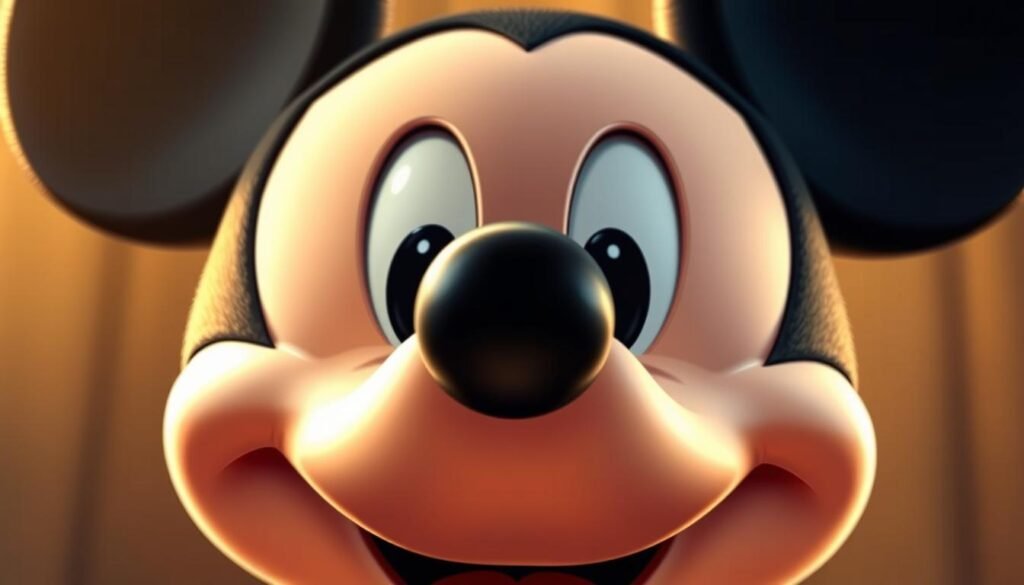
Building upon the foundational shapes, we now bring the character’s personality to life through his most expressive features. This stage connects the basic structure to recognizable facial components that convey warmth and charm.how-to-draw-a-cat
I begin with the mouth area, creating the foundation for that characteristic smile. Connect the bottom of the small nose circle to the center of the main circle using a U-shaped arc.
Constructing the Eyes, Ears, and Smile
This initial line forms the bottom of the snout and top lip. Add a smaller, deeper U-shape underneath to create the mouth opening. Start where the big circle meets the snout area.
Extend this line slightly past the edge of the big circle before bringing your pencil back up. For the tongue, sketch two connecting lumps resembling a soft M-shape with rounded edges.
The lower lip comes next with a parallel arc following the mouth’s contour. Maintain a small gap between these lines for dimensional effect later.
Now focus on the eyes by drawing two ovals of different sizes. Place a larger oval on the right side of the center line and a smaller one on the left. This size variation creates depth in the face.
Outline the cheeks with gentle curves on either side of the face. These rounded contours contribute to the friendly appearance.how-to-draw-a-pumpkin
Position the ears as two large circles approximately three-fifths the size of the main head circle. Ensure they align parallel to the eyes, maintaining the classic silhouette.
Throughout this process, check that each feature aligns properly with those above and below it. This balance ensures proper facial proportions and authentic character representation.
Adding Mickey’s Signature Ears and Finalizing the Head
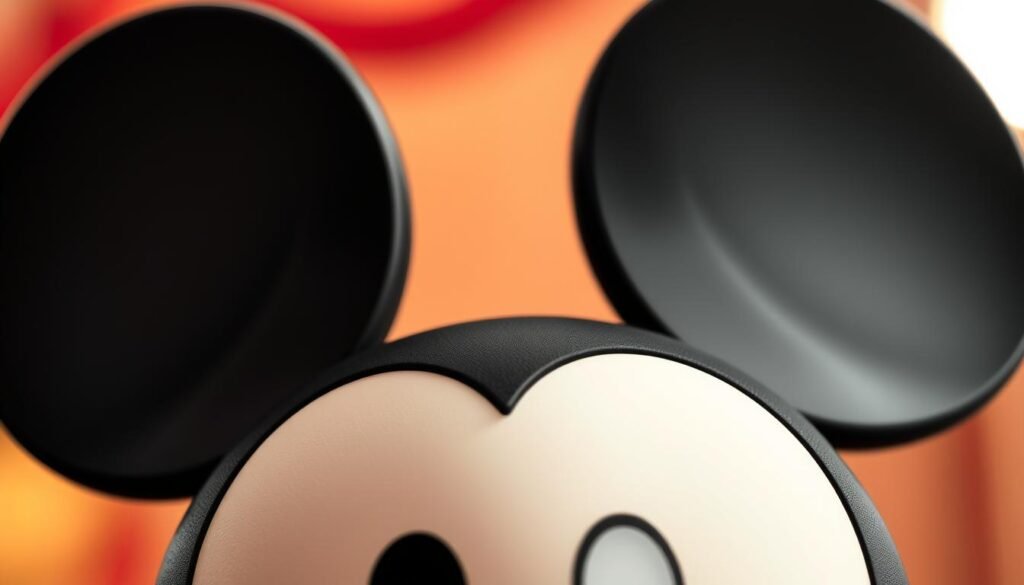
Proper ear placement transforms a basic circle into an instantly recognizable character. I dedicate special attention to this element because it defines the classic silhouette. The positioning on the top mickey head area creates that iconic three-circle shape.
I draw two equally-sized circles on the upper-right and extreme right side of the main portion mickey head. Each ear should measure approximately three-fifths the size of the large head circle. This proportion maintains the authentic appearance that has defined the character for decades.
The bottom portion of each ear should overlap with the main circle. This overlap creates the illusion that the ears sit slightly behind the head rather than flat against it. I use light lines during this stage since some will be erased later.
When finalizing the structure, I carefully consider which lines to keep. The exterior portions of the ears receive confident strokes while overlapping sections are marked for removal. This technique ensures a clean outline mickey face.
The back mickey head area requires particular attention during this cleanup phase. Getting this portion mickey head structure correct ensures everything else falls into place beautifully. Your drawing now has the foundation for an authentic representation.
Troubleshooting Common Drawing Mistakes
When your artwork doesn’t quite capture the intended look, identifying common problem areas becomes essential. I’ve observed that many people encounter similar challenges when learning character illustration. Addressing these issues early prevents frustration and builds better artistic habits.
Adjusting Proportions and Symmetry
Proportional mistakes frequently occur with the nose and eyes. The nose circle should measure approximately one-tenth the size of the main head circle. For eyes, ensure they align with center guidelines and vary slightly in size for proper perspective.
Symmetry issues can be tricky to spot. I recommend holding your drawing up to a mirror or flipping it upside down. This technique reveals proportional problems that your eye might miss in normal orientation.
Correcting Misplaced Features
Ears often present placement challenges. Both should be the same size—about three-fifths of the main circle—and positioned symmetrically on the upper head. Check that the bottom portions overlap with the main head circle for proper depth.
If the overall face looks unbalanced, examine the relationships between features. The button on the nose requires proper tilt, while mouth curves should align with cheek outlines. Using light pencil pressure makes corrections easier.
Remember that even experienced artists make adjustments. The key is recognizing issues early and having confidence to refine your work. For additional guidance, explore this comprehensive character drawing tutorial that covers advanced troubleshooting techniques.
Enhancing Your Drawing with Inking and Coloring
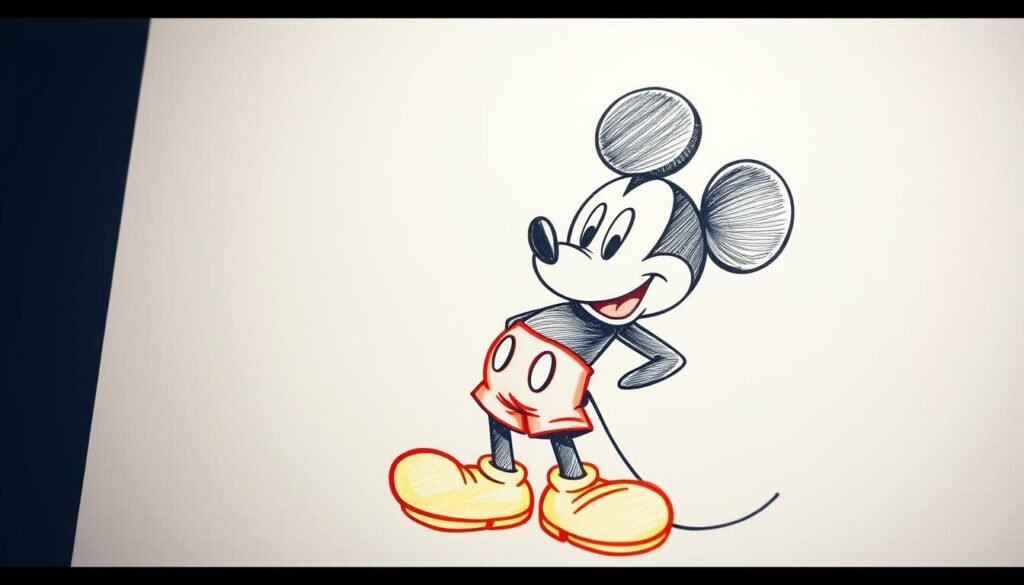
Mastering the art of clean outlines and vibrant colors separates amateur sketches from professional cartoon illustrations. This final phase transforms your preliminary work into a polished piece that captures the authentic Disney aesthetic.
Outlining with Black Ink for a Bold Look
Once satisfied with your pencil sketch, I transition to the inking phase. Using thick black lines creates that signature cartoon appearance. This bold approach makes your artwork stand out dramatically.
I work carefully around each facial feature, ensuring smooth, confident strokes. After completing the outline, I erase any remaining pencil marks. This leaves clean ink lines defining the character’s shape.
Applying Colors to Capture the Classic Style
For the coloring step, I follow the traditional color scheme. Tan or beige covers the face area, while black fills the ears and nose. Pink brings the tongue to life.
The side portions and back of the head also receive black coloring. This creates distinctive contrast between facial features and the rest of the head. While flat colors work well, subtle shadows add dimension.
Each step builds upon previous work, transforming your sketch into a finished piece. Taking time with outline and color application makes a significant difference in quality. For additional guidance, explore this comprehensive character drawing tutorial.
Practice Exercises and Additional Resources
Taking your artistic journey to the next level involves exploring diverse practice materials and learning resources. I’ve compiled essential tools that will accelerate your progress beyond basic sketches.
Free printable coloring pages provide excellent tracing practice for mastering proportions. These pre-outlined images let you focus on technique rather than structure.
Printable Coloring Pages and Step Guides
Once comfortable with facial features, attempt a full-body illustration. This step incorporates the same principles while adding clothing and signature red shorts.
Expanding to include companions offers valuable practice. Minnie Mouse shares similar facial structure with feminine touches like eyelashes and a bow.
The Disney Parks Blog features an exceptional “Learn to Draw” video series. These tutorials show the character’s evolution from 1920s style to modern interpretations.
Additional character guides include:
- Classic friends like Goofy and Donald Duck
- Modern favorites from Frozen and Toy Story
- Various Disney personalities across different eras
Each step in learning builds fundamental skills in proportion and expression. Consistent practice with these resources ensures noticeable improvement with every attempt.
Conclusion
You have now completed the journey from a blank page to a finished illustration. My goal was to provide a clear path to successfully draw mickey mouse, making the process accessible and rewarding.
This guide has broken down the creation of this iconic character into manageable steps. Each step builds upon the last, demystifying the drawing process. You now possess a reliable framework for future projects.
The most important part of learning is consistent practice. Remember that every artist begins on a blank page. Revisit these sections whenever you need to reinforce your skills.
The techniques you’ve learned here extend far beyond this single character. You have gained foundational knowledge in proportions and shapes. This will serve you well as you explore new artistic challenges.
I encourage you to continue your creative journey with confidence. Thank you for following along, and I wish you great joy in all your future artistic endeavors.