

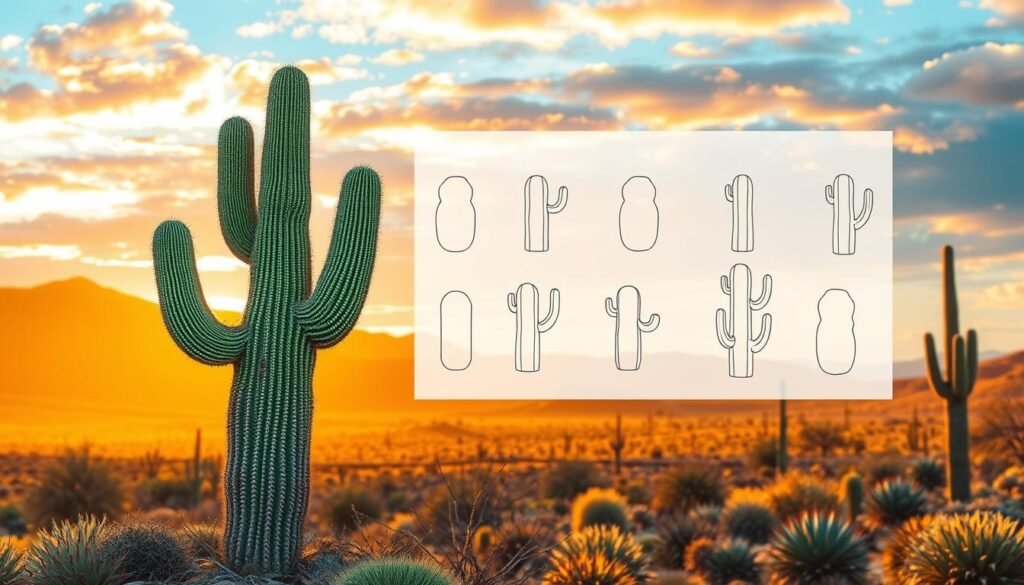
Imagine a plant that can survive for over three centuries in some of Earth’s harshest conditions. Certain cactus species achieve this remarkable feat, living for 300 years or more in the extremely dry and hot desert.
These resilient plants are more than just survivors; they are iconic symbols of arid landscapes. Their unique, spiky forms add character and life to any artistic depiction of a desert scene. Mastering their shape is a valuable skill for any artist.
I welcome you to this comprehensive guide. My goal is to make the process of creating a cactus drawing accessible and enjoyable for everyone. We will break it down into simple, manageable steps.
You will learn draw the fundamental structure of these fascinating plants. This knowledge allows you to confidently illustrate various species, from the towering saguaro to charming potted varieties. Let’s begin this creative journey into desert art together.how-to-draw-a-dog-step-by-step
Key Takeaways
- Cacti are incredibly resilient plants that can live for centuries in harsh desert environments.
- Learning to illustrate a cactus is essential for creating authentic desert landscape art.
- This guide breaks down the drawing process into simple, easy-to-follow steps for all skill levels.
- You will gain an understanding of the basic structure common to many cactus species.
- The tutorial covers everything from initial shapes to detailed rendering and finishing touches.
- Mastering this subject allows you to add a iconic element to your artistic repertoire.
Gathering Your Materials and Setting Up Your Workspace
Successful artwork begins with thoughtful material selection and workspace organization. Having the right tools within reach allows you to focus entirely on your creative process without interruptions.
I recommend starting with simple, accessible supplies that won’t overwhelm beginners. A standard pencil for sketching, a quality eraser for corrections, and clean white paper form the essential foundation.
Choosing the Right Pencils and Paper
Even basic printer paper works perfectly for practicing your illustrations. For colored work, I suggest gathering pencils in light green, dark green, yellow, brown, and red. These colors create realistic desert plant depictions.
Having both regular pencil for initial work and pens for final lines creates clean, professional results. This approach saves valuable time during the creative process.how-to-draw-a-dog-that-is-easy
Selecting Reference Photos and Inspiration
I encourage taking time to find reference images before beginning. These photos help you understand the authentic look of different varieties. Good lighting lets you easily look at references while working on your page.
Organizing materials beforehand maintains focus on developing skills. For additional inspiration, check this creative desert art collection that showcases various approaches to depicting these unique plants on the page.
Sketching the Basic Shapes and Outlines
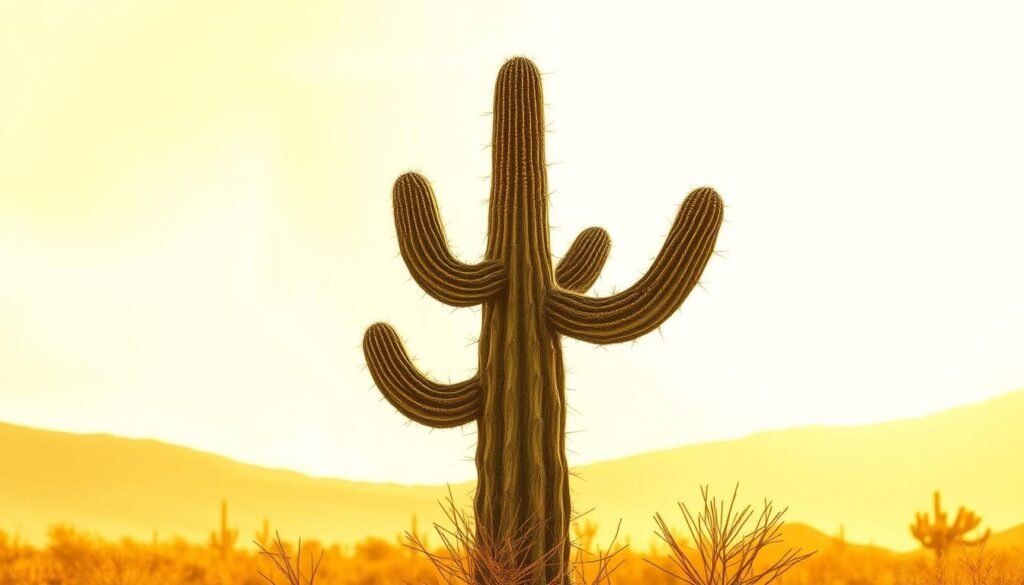
Building your desert scene starts with laying down the fundamental geometric forms. This initial sketch phase establishes the entire composition’s foundation.how-to-draw-a-elf
Drawing the Pot and Primary Cactus Forms
I begin with the container that grounds our desert plant. Lightly trace a curving line for the pot’s top edge. Add two short marks on either side to define its basic structure.
For the main plant, position a long oval shape above the pot. This forms the central trunk. Using gentle arches, I build the characteristic segmented appearance.
Establishing Curved Outlines and Ovals
The natural curves of these plants require careful attention. I create smaller arches along the larger central oval. This technique develops the authentic segmented shape.
Each curved line contributes to the plant’s organic feel. Keep your initial marks light, allowing for adjustments as the composition develops.
Creating a Balanced Design with Multiple Cacti
For dynamic arrangements, I add secondary plants behind the primary cactus. An unfinished oval shape works perfectly for background elements.
Position different cacti at varying heights. This creates visual interest and natural balance. The table below shows common foundational shapes:
| Shape Type | Description | Best Use |
|---|---|---|
| Long Oval | Primary trunk form | Main cactus body |
| Incomplete Oval | Partial circular form | Background plants |
| Thin Oval | Elongated narrow shape | Tall, slender varieties |
| Curved Arch | Gentle bending lines | Segment definition |
This structural approach ensures proportional accuracy before detailing. For additional guidance, explore this comprehensive cactus illustration tutorial that demonstrates similar techniques.
The initial sketch establishes everything that follows. Proper foundation work makes subsequent stages much smoother. Another excellent resource for shape development is this desert plant drawing guide featuring varied compositional approaches.
How to Draw a Cactus: Step-by-Step Guide to Adding Details
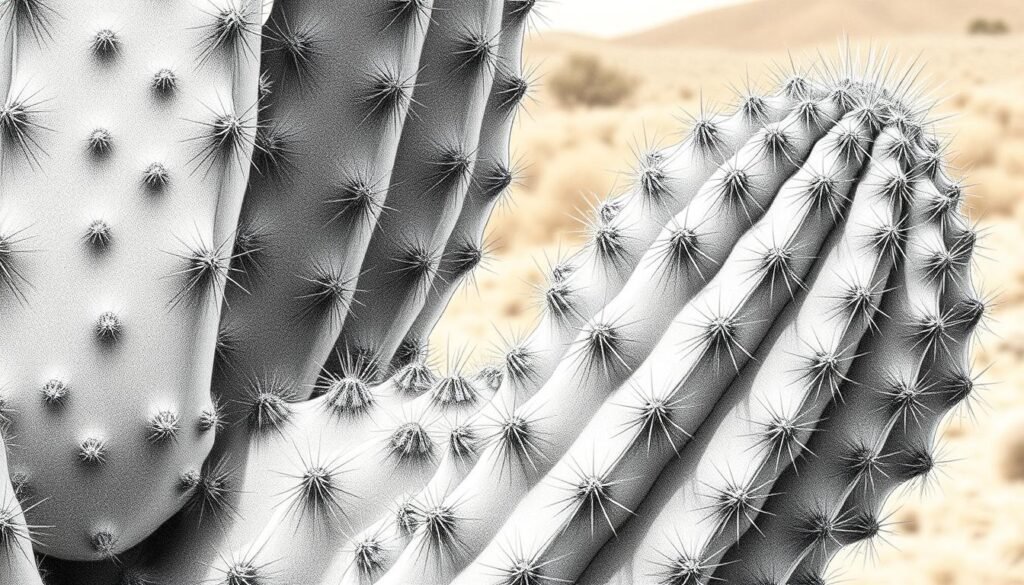
With the foundation set, we focus on the features that define these unique plants. This stage transforms your basic shapes into a detailed and realistic illustration.how-to-draw-a-frog-easy
Developing the Branches and Leaves
I begin by adding character to the main trunk. Sketch oval shapes on the sides to form branches. For a tall cactus, create leaves with simple teardrop and heart shapes.
This step builds the plant’s distinctive silhouette. It adds organic variety to your composition.
Incorporating Spines, Ridges, and Textural Elements
Texture is key for authenticity. Draw groups of three short lines across the surface for spines. Add longer lines along the vertical ridges.
These irregular lines create the ribbed effect. They make the plant instantly recognizable.
Adding Flower Petals and Other Decorative Details
To include flowers, first sketch a small circle as a guide. Draw four petals with wavy lines around it. Add more petals behind the first set.
Place this flower at the top of the plant. Mix in unopened buds using short ovals for a natural look.
Utilizing Shading Techniques for Depth and Realism
Shading gives your work dimension. Use short lines to shade between the rows of spines. Be careful not to shade over the spines themselves.
This technique, when applied to the sides and bottom, creates a rounded, three-dimensional form. The final results are a professional-looking desert plant drawing.how-to-draw-a-football-helmet
Conclusion
Completing your desert plant illustration marks an important milestone in your artistic journey. I congratulate you on finishing this project with pencil and patience. Your dedication has produced wonderful results.
Now that you’ve mastered the basic techniques, I encourage regular practice. Experiment with different media like colored pencil or watercolor. Try adding simple backgrounds to enhance your drawings.
This guide serves as a valuable reference for future projects. Return to it whenever you need to refresh your skills. Each session with your pencil builds confidence.
Remember that artistic growth comes from consistent effort over time. Your completed work demonstrates real progress. Continue exploring different plant varieties and desert scenes.