

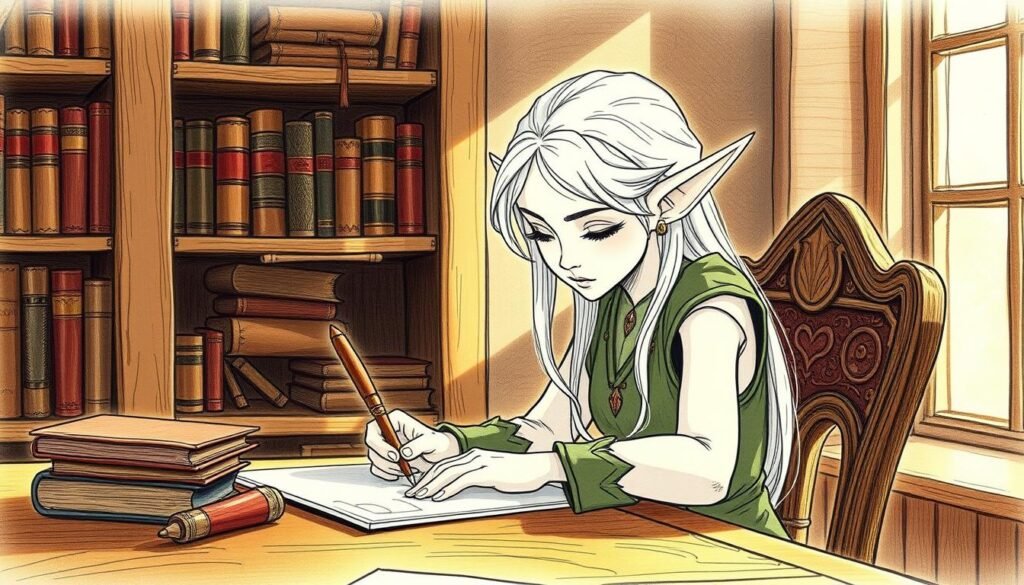
From ancient Germanic folklore to modern holiday movies, the image of the elf is one of the most recognized fantasy figures globally. These mystical beings have captivated our imagination for centuries, appearing in everything from epic mythology to cheerful Christmas traditions.
As an art instructor with over a decade of experience, I have guided countless students in bringing fantasy characters to life. My passion is making artistic creation accessible to everyone, regardless of their starting point. This guide is designed to demystify the process.
You will discover the fundamental techniques and creative approaches needed to master this enchanting art form. We will explore everything from basic shapes to adding personality and unique details. This journey is crafted for absolute beginners and seasoned artists looking to refine their skills.
Learning to illustrate these characters is not only enjoyable but also culturally significant. Whether you’re creating a storybook illustration for kids or a festive holiday card, the skills you gain here are versatile. With practice and the right guidance, you will confidently create your own unique elf drawing that reflects your personal vision.
Key Takeaways
- Elves hold a significant place in both ancient mythology and modern culture.
- This guide is designed for artists of all skill levels, from beginners to advanced.
- You will learn fundamental techniques to create your own fantasy artwork.
- The process focuses on building confidence and developing a personal artistic style.
- Mastering this skill allows for creative expression in various projects, from storytelling to holiday art.
Introduction to the World of Elf Drawing
Modern depictions of these fantasy beings have become iconic, instantly recognizable in holiday decor and animation. Their visual identity is a fascinating blend of tradition and artistic interpretation.how-to-draw-a-frog
My Inspiration and Artistic Journey
My journey into fantasy art started with a deep appreciation for characters that spark wonder. I discovered that successful creation hinges on merging imagination with solid technique. This approach makes mythical beings feel tangible and alive.
It is not about simply copying a reference. True artistry comes from understanding the principles that make a character visually appealing and memorable.
Understanding the Magic Behind Fantasy Art
Fantasy art allows us to bend reality while maintaining believable structure. This balance is key to creating characters that feel both magical and relatable. For an elf, certain features define their look.
These core characteristics include:
- Short stature and distinctive pointed ears
- Classic green clothing and pointed shoes
- An iconic, festive hat
This visual formula works beautifully for kids and adults alike. Artists can choose a realistic or cartoonish style. The goal is to spread joy and capture the imagination through your drawing.
Mastering these fundamentals sets the stage for creating your own unique fantasy artwork.
Essential Tools and Preparation

The foundation of any great artwork begins long before the first sketch, with careful consideration of tools and workspace. Proper preparation transforms the artistic process from daunting to delightful.
Gathering Your Supplies: Paper, Pencils, and Erasers
Start with quality materials that support your creative vision. A smooth sketchpad, varied pencil grades, and a reliable eraser form your basic toolkit. I recommend having different pencil weights for light guidelines and bold final lines.how-to-draw-flowers
Safety remains paramount, especially when kids participate. Always supervise young artists and follow manufacturer instructions for all crafting supplies. Proper organization prevents accidents and keeps focus on creativity.
Setting Up a Creative Workspace
Your environment significantly impacts your artistic output. Natural light or a good lamp reduces eye strain. A clean, organized surface allows creativity to flow without distractions.
Keep reference images of your fantasy character nearby. Study the distinctive features that make an elf recognizable. This helps maintain consistency throughout your drawing process.
Comfort during longer sessions prevents fatigue. Take regular breaks and maintain proper posture. Your final elf creation will reflect the care you put into your preparation.
Step-by-Step Techniques: How to Draw a Elf
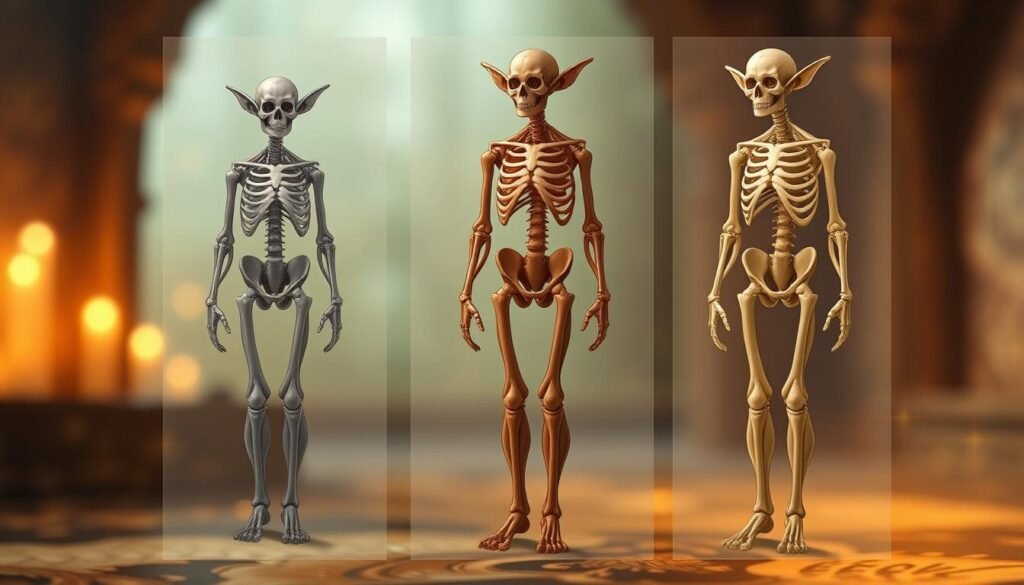
Moving from preparation to execution, this section focuses on the structural elements that define our mystical figure. We will build upon the foundation established in previous steps.how-to-draw-batman
Sketching the Head, Face, and Elf Ears
Begin with the character’s facial foundation. Establish the basic oval shape for the head placement. Position the distinctive pointed ears carefully on each side.
These features create the recognizable silhouette. Maintain proportional balance throughout this initial phase.
Developing the Body, Collar, and Festive Hat
Construct the elf body using two curved lines extending downward. These lines should curve outward at the bottom for a natural tunic effect.how-to-draw-arms
Create the collar with a horizontal line connecting the neck lines. Add two diagonal lines from each side. Finish with a decorative zigzag line connecting the bottoms.
The iconic elf hat begins with a semi-circle above the head. Add an inverted V shape on top for the pointed tip. Include a narrow curved rectangle for the hat band.
Final touches include diagonal lines on each side and a circle decoration on top. These elements complete the festive appearance.
Expert Tips for Enhancing Your Elf Drawing
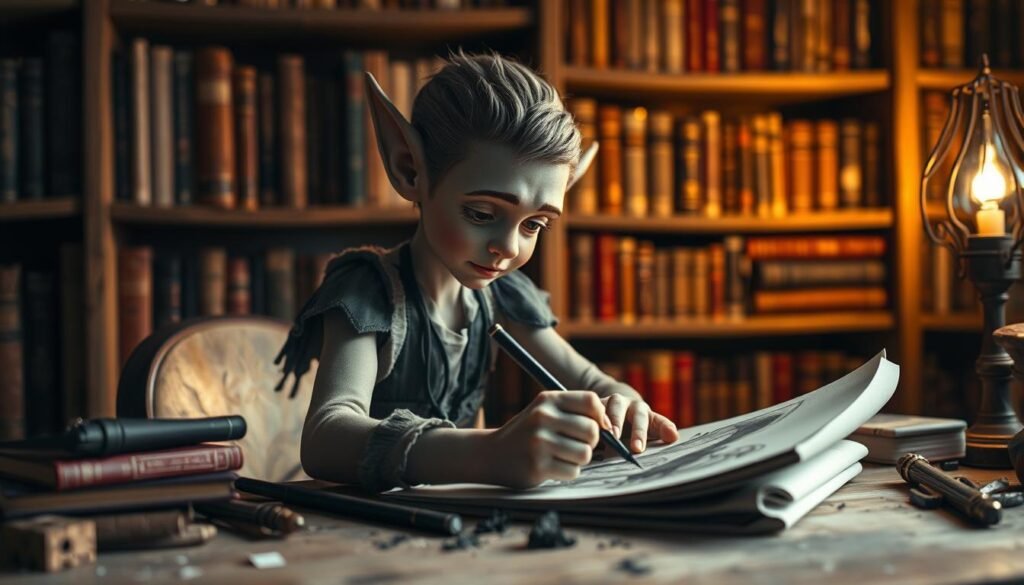
Transforming a standard sketch into a memorable character involves strategic enhancements and creative flourishes. These advanced techniques elevate your artwork from basic outline to captivating personality.how-to-draw-bunny
Using Curved, Diagonal, and Zigzag Lines Effectively
Mastering line variation adds dynamic energy to your creation. Curved lines create soft, organic shapes for cheeks and clothing.
Diagonal lines suggest movement and direction. Zigzag patterns work beautifully for decorative elements like collar stitching.
Incorporating Details from Boy and Girl Elf Templates
Gender-specific templates offer distinct customization opportunities. Masculine versions might feature bolder accessories and straighter lines.
Feminine interpretations often include softer curves and delicate details. Both approaches maintain the essential fantasy characteristics.
Personalizing Your Artwork with Unique Flourishes
Individual touches make each piece truly special. Consider adding rosy cheeks, subtle freckles, or decorative stitching patterns.
Accessories like candy canes or jingle bells add festive charm. Color choices extend beyond traditional schemes to reflect personal style.
| Personalization Feature | Technique | Visual Effect |
|---|---|---|
| Facial Details | Rosy cheeks, freckles | Adds warmth and character |
| Clothing Texture | Dotted stitching lines | Creates handcrafted appearance |
| Hat Variations | Stripes, shapes, decorations | Maintains festive identity |
| Accessory Options | Bells, candy canes, mittens | Enhances storytelling element |
These enhancements work beautifully for holiday cards or decorative cutouts. Each modification brings your fantasy character to life with unique personality.how-to-draw-a-whale
Conclusion
Embarking on the artistic journey of creating fantasy characters opens a world of creative possibilities. This guide has walked you through essential techniques for bringing these magical beings to life.
Remember that consistent practice builds confidence with each completed elf drawing. The skills you develop here extend to many fantasy art projects. Every attempt, whether successful or not, contributes to your artistic growth.
I encourage you to experiment beyond the templates provided. Develop original elf characters that reflect your unique vision. Continue exploring different artistic styles and challenge yourself with new projects.
The magical world of fantasy art offers endless opportunities for creative expression. I hope this guide inspires your continued artistic journey and brings joy to your creative process.