

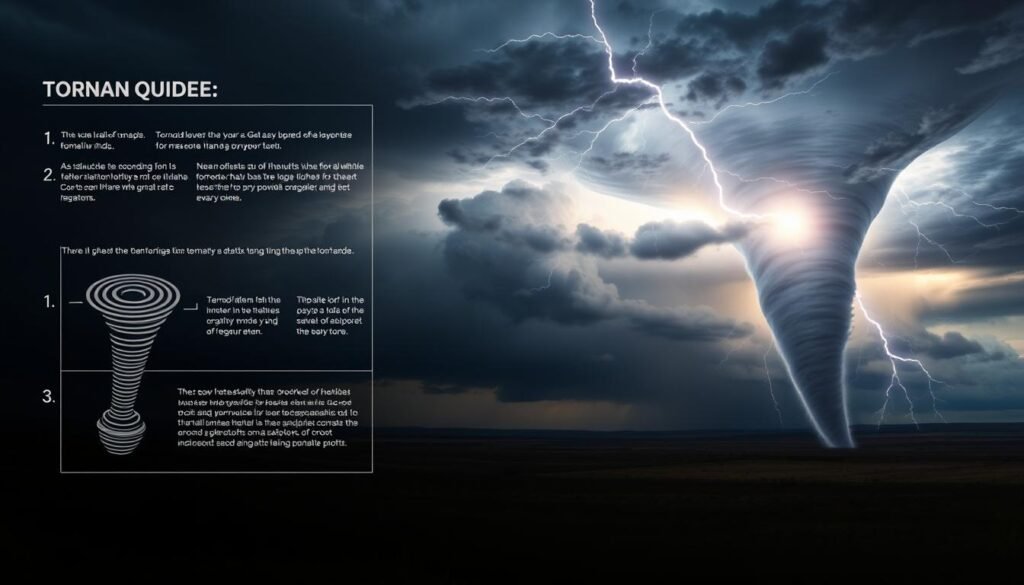
A single tornado can release more energy than an atomic bomb. This raw power makes them a captivating subject for artists. Capturing their swirling motion on paper is a unique artistic challenge.
I am excited to guide you through the complete process of creating a tornado drawing. This comprehensive tutorial shares my professional approach. You will learn to illustrate the energy and movement of these incredible weather events.
Whether you are starting your first sketch or refining your technique, this guide provides all the necessary steps. I will walk you through the basic anatomy of tornadoes. We will master the swirling motion and dramatic atmosphere that brings these illustrations to life.
You will discover multiple approaches within this tutorial. This includes simplified methods for quick sketches and detailed techniques for realistic art. My goal is to make this process accessible to everyone, regardless of skill level.
By the end, you will have the confidence and knowledge to create your own impressive artwork. You will effectively communicate the intensity of these swirling vortices.
Key Takeaways
- This guide breaks down the process of illustrating a tornado into manageable steps.
- You will learn professional techniques for capturing motion and energy.
- The tutorial is designed for artists of all skill levels.
- Multiple artistic approaches are covered, from simple to highly detailed.
- Understanding the basic structure of a tornado is the first step to a realistic depiction.
- The final goal is to create a dynamic and powerful piece of art.
Drawing Inspiration: Tornado Anatomy and Artistic Vision
Artistic depictions of tornadoes range from scientifically accurate illustrations to wildly imaginative interpretations. Before starting your artwork, I recommend studying the fundamental structure of these powerful storms. This knowledge provides a solid foundation for any style you choose to pursue.
Understanding Tornado Dynamics and Form
A tornado’s funnel is not a solid object but a swirling column of air and debris. Its shape is constantly changing, which is what makes capturing its motion so compelling. Notice how the base is typically wider, tapering upward into the parent thunderstorm cloud.
Realistic shading is key to showing depth and movement. The darkest values often appear near the core, where the rotation is most intense. Lighter tones toward the edges suggest dissipated energy and flying particles.how-to-draw-a-frog
Exploring Creative Interpretations and Art Styles
Popular culture offers a wealth of creative ideas. The Tasmanian Devil’s spinning cloud is a classic cartoon simplification. Meanwhile, films like Twister present a dramatic, terrifying look.
Your artistic vision can bring a tornado to life in many ways. Will it be a hyper-realistic force of nature or a stylized symbol of chaos? This tornado drawing tutorial explores these different approaches in greater detail.
Consider the story you want your art to tell. The context—a lone funnel against a stormy sky or part of a larger landscape—greatly influences the final mood of your drawing.
Tools and Techniques for a Stunning Tornado Illustration
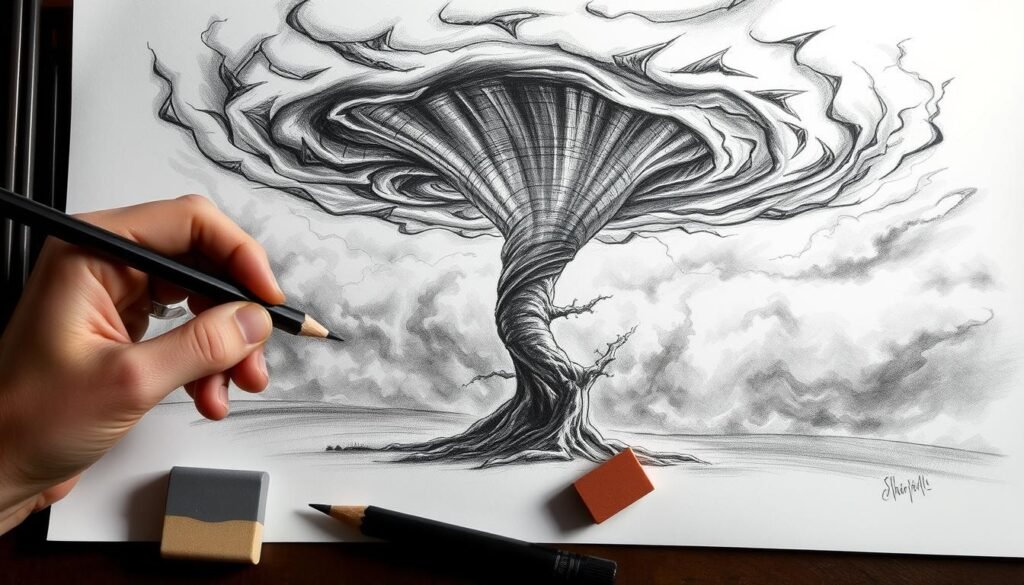
Creating a convincing tornado illustration depends heavily on the artist’s choice of tools and application methods. The right combination elevates your drawing from basic to breathtaking.
Essential Materials and Art Supplies
I recommend starting with quality graphite pencils ranging from 2H to 6B for varied line work. Smooth paper handles blending well, while textured surfaces capture atmospheric effects. Digital artists benefit from pressure-sensitive tablets.how-to-draw-flowers
Techniques for Capturing Movement and Texture
Mastering curved lines forms the foundation of swirling motion. I build the structure using successive “U” shaped lines that create natural tiers. Each layer should flow organically into the next.
Texture development requires strategic layering. Begin with broad strokes following the funnel’s curvature. Add fine details gradually to suggest wind motion and debris.
This approach appears in many professional drawing tutorials. The comprehensive tornado drawing tutorial demonstrates these methods effectively.
| Technique | Application | Visual Effect |
|---|---|---|
| Curved Lines | Main funnel structure | Swirling motion |
| U-Shaped Lines | Tier construction | Conical form |
| Hairline Strokes | Surface texture | Atmospheric depth |
| Blending | Color transitions | Seamless rotation |
These techniques work together to create dynamic illustrations. Practice each method separately before combining them in complete drawings.
Practical Guide: How to Draw a Tornado

Color application marks the pivotal moment where your tornado sketch gains atmospheric depth. This phase transforms basic outlines into dynamic illustrations with realistic storm energy.how-to-draw-batman
Step-by-Step Construction of the Tornado Structure
I begin with a base layer using gunmetal gray paint. This establishes the foundation for the entire funnel shape. The dark tone captures the ominous nature of the storm.
Next, I apply lighter gray around the tornado outline. This creates realistic smoke and dust clouds. The surrounding atmosphere makes the funnel feel embedded in its environment.
Incorporating Color, Shading, and Swirling Details
The coloring process involves strategic layering. I build depth through successive applications of paint. Each step adding more refinement enhances the realism.
For swirling motion, I use curved shapes meeting at sharp points. This technique suggests wind movement and additional cloud formations. The details create dramatic visual impact.
| Coloring Step | Technique Applied | Visual Result |
|---|---|---|
| Base Layer | Gunmetal gray application | Dark foundation |
| Atmosphere | Lighter gray clouds | Surrounding context |
| Color Blending | Brown, yellow, green mix | Dust and debris effect |
| Final Details | Fine brush strokes | Flying particles |
Shading adds crucial dimension to your artwork. I apply dark values between layers and highlights along rings. This comprehensive approach appears in many professional tornado drawing tutorial resources.how-to-draw-arms
The final step involves tracing the outline and adding particle effects. These finishing touches bring the illustration to life with convincing storm energy.
Conclusion
The final strokes on your tornado artwork bring to life the raw energy of these meteorological marvels. You now possess the essential steps to create dynamic illustrations that capture swirling motion and atmospheric depth.
Remember that consistent practice develops your unique artistic style. Explore related weather phenomena like waterspouts or dust devils for new challenges. Consider adding contextual elements like buildings to demonstrate scale in your compositions.
While creating storm art is exciting, real tornadoes demand serious safety measures. Always seek shelter in interior rooms away from windows during severe weather.
I invite you to explore my complete tornado drawing tutorial for additional techniques and creative ideas. Continue experimenting with different approaches to find what resonates with your artistic vision.