

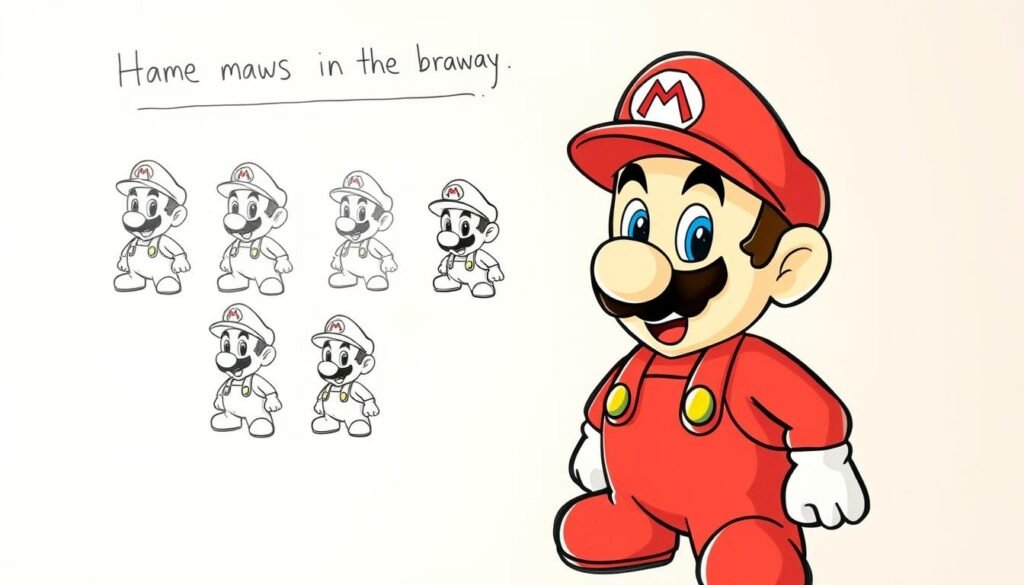
Over 750 million people worldwide recognize the iconic red cap and bushy mustache of Super Mario. This beloved character has jumped across screens for decades, creating a universal visual language.
I created this comprehensive guide to unlock that creative potential for everyone. My passion lies in making art accessible, breaking down complex characters into simple, enjoyable steps.
This resource features nine distinct Mario variations, from the classic hero to his kart-racing version. Each tutorial is crafted with beginners in mind, focusing on clear, progressive instructions.
You will find printable practice sheets and tracing guides included. These tools support skill development at your own pace, whether for personal enjoyment or classroom use.
Key Takeaways
- This guide provides nine different Mario character variations to practice.
- Step-by-step instructions are designed specifically for beginners.
- Free printable sheets and tracing guides are included for practice.
- The tutorials cover everything from basic shapes to detailed features.
- You will learn to capture Mario’s iconic look, including his hat and mustache.
- The process helps build fundamental drawing skills applicable to other characters.
- Materials are suitable for various settings, from home to the classroom.
Introduction to Mario Drawing Tutorials
Mario’s journey from pixelated arcade character to global phenomenon represents a remarkable story of design evolution. This iconic figure has maintained his appeal across generations, making him an ideal subject for artistic exploration.
The tutorials I’ve developed capture this evolution while making the process accessible to artists at every skill level. Each lesson builds upon fundamental principles that extend beyond this specific character.how-to-draw-a-tulip
My Journey with Mario Illustrations
My fascination with this beloved character began during childhood gaming sessions. That early wonder gradually transformed into a dedicated practice of studying his visual design.
I discovered that Mario’s seemingly simple appearance contains sophisticated design choices. His recognizable silhouette and expressive features make him perfect for learning cartoon fundamentals.
| Era | Design Characteristics | Artistic Significance |
|---|---|---|
| 1980s Arcade | Blocky pixels, limited colors | Foundation of character recognition |
| 1990s Console | Rounded shapes, detailed features | Evolution of expressive capabilities |
| Modern 3D | Dynamic proportions, textured surfaces | Integration of depth and dimension |
Why Drawing Mario Matters to Me
This character represents more than gaming nostalgia—he embodies universal design principles. Learning to illustrate him develops essential skills like proportion and shape recognition.
I believe artistic practice should connect with cultural touchstones. The Super Mario universe provides rich material that makes learning engaging and meaningful.
My approach breaks down complex illustrations into manageable steps. This method builds confidence while honoring the character’s design legacy.
Gathering Your Materials and Setting Up Your Workspace
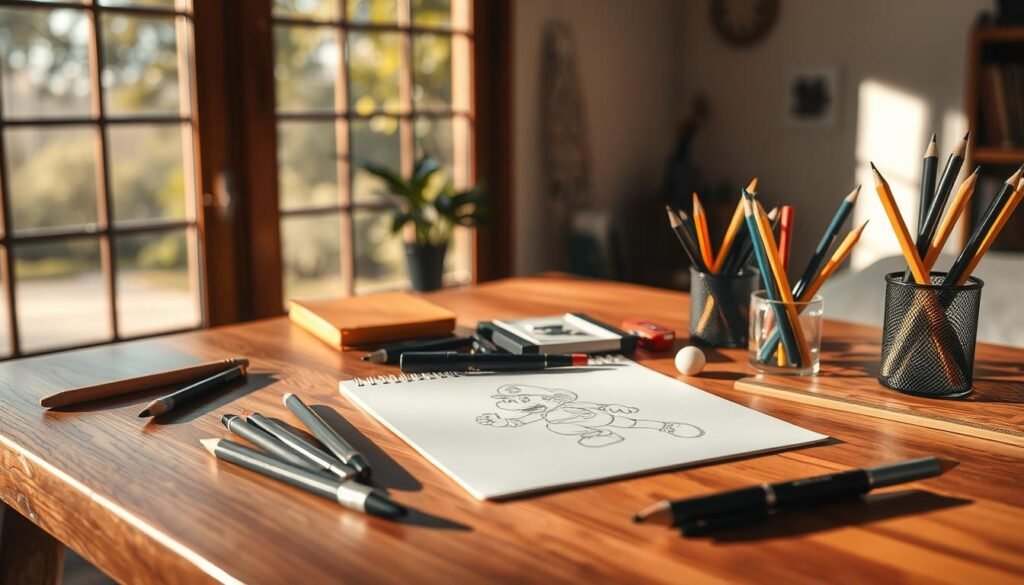
Quality results in illustration begin long before the first sketch is made. Proper preparation creates a smooth, enjoyable learning experience. This step ensures you can focus entirely on the creative process.how-to-draw-a-strawberry
Essential Tools and Supplies
I recommend beginning with simple, accessible materials. A standard HB or 2B pencil, a good eraser, and plain paper are perfectly sufficient for any tutorial in this guide.
My instructions are flexible, allowing you to use basic pencils or even digital tablets. Having colored pencils or markers available lets you add the character’s signature style at the end.
Creating a Comfortable Drawing Area
Your environment significantly impacts your work. A stable surface and good lighting are crucial for comfort and precision. Organize your space with reference images and practice sheets within easy reach.
Minimize distractions and ensure you have room to move your hand freely. This thoughtful way of setting up reflects a commitment to your artistic growth. Small adjustments, like proper posture, improve results over time.
Understanding Mario’s Iconic Features
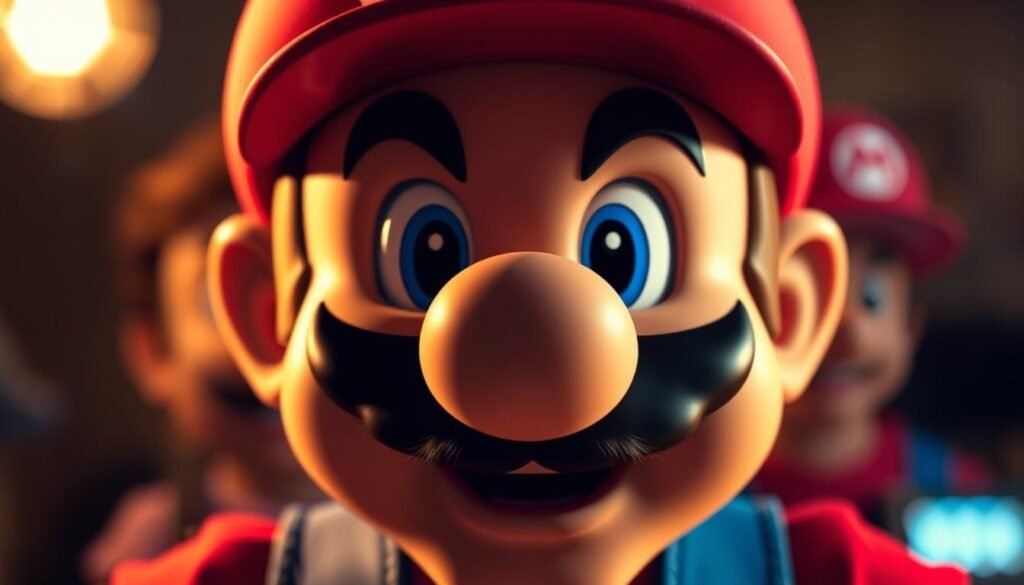
The secret to capturing Mario’s authentic look lies in understanding the precise relationships between his key facial elements. These components work together to create his instantly recognizable appearance.how-to-draw-a-crown
Analyzing His Signature Hat and Mustache
Mario’s red hat serves as his most distinctive feature. The curved brim and rounded crown require careful attention to maintain proper proportions.
His mustache balances perfectly with the large, round nose. This combination creates the friendly appearance that defines the character.
Recognizing Distinct Facial Expressions
The eyes play a crucial role in conveying emotion. Simple black ovals with white highlights can express determination or surprise.
Subtle changes in eyebrow position and mouth shape transform the entire face. Mastering these details brings authentic personality to your illustrations.
Choosing Your Favorite Mario Character
With nine distinct character variations available, your first creative decision involves choosing which Mario resonates with your personal style. Each option presents unique characteristics and difficulty levels tailored to different artistic preferences.
I organized these tutorials to accommodate various skill levels and interests. The Baby Mario version serves as an excellent starting point for absolute beginners.
Classic Mario vs. Baby Mario Variations
Comparing these two versions reveals important design differences. Baby Mario features rounder facial features, larger eyes, and a compact body structure.
These simplified proportions make this character more approachable for newcomers. The adult version contains more intricate details that build upon fundamental skills.
Exploring Other Characters from the Mario Series
My tutorials extend beyond the main character to include the wider Super Mario universe. Once you master basic techniques, you can explore Luigi, Princess Peach, and other beloved characters.
Selecting one character initially helps build confidence before expanding your repertoire. This focused approach creates a solid foundation for tackling more complex designs.how-to-draw-a-rose-step-by-step
Beginner’s Guide: How to draw mario
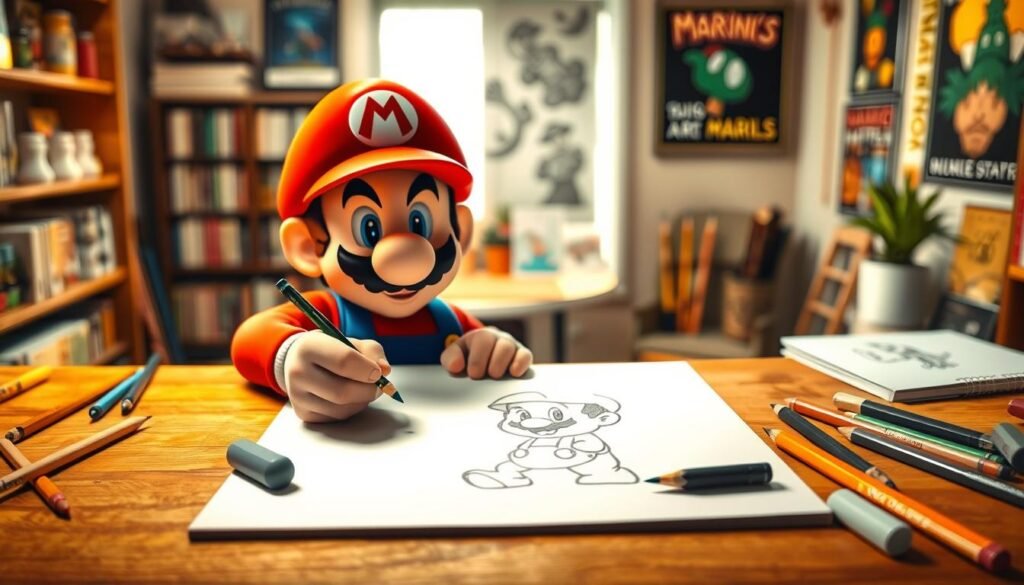
My systematic approach to character illustration begins with fundamental geometric shapes that anyone can master. This method transforms complex figures into achievable steps, building confidence through progressive skill development.
Breaking Down Basic Shapes
I establish Mario’s foundation using circles for the head and nose, with ovals forming the body structure. Rectangles create the arm and leg framework. These simple elements combine to build the character’s recognizable silhouette.
This geometric approach ensures proper proportions from the start. The shapes serve as guides for adding details later in the process.
Step-by-Step Line Guidelines
My tutorials feature clear visual indicators showing exactly what to add at each phase. Red highlights mark new elements while arrows guide progression through the sequence.
| Tutorial Type | Total Steps | Key Focus Areas | Difficulty Level |
|---|---|---|---|
| Easy Mario | 5 steps | Face, hat, body, buttons, arms | Beginner |
| Classic Mario | 8 steps | Detailed features, hands, shoes, finishing touches | Intermediate |
Each step builds upon the previous one, creating a logical progression. The tutorial structure helps artists develop consistent techniques applicable to other characters.
This methodical process ensures success regardless of which version you choose to recreate. The systematic approach forms the core of my instructional philosophy.
Drawing Additional Mario Characters and Scenes
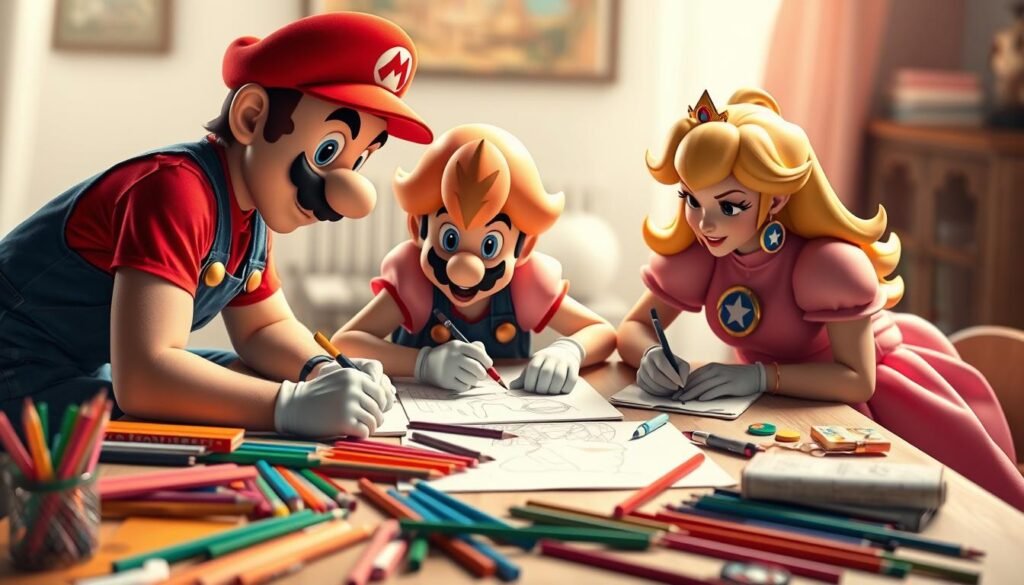
The rich universe of Super Mario Bros extends far beyond the iconic plumber, featuring an ensemble of memorable personalities and action-packed scenarios. My tutorials now encompass this expanded world, allowing you to create complete scenes from the beloved franchise.how-to-draw-kuromi
Integrating Characters like Luigi and Princess Peach
When illustrating Mario Luigi, I focus on his taller, leaner physique compared to his brother. The green color scheme and slightly timid posture require subtle adjustments while maintaining the core cartoon style.
Princess Peach introduces feminine proportions with her flowing gown and elegant crown. Her tutorial demonstrates how female characters differ from the male counterparts in the Mario Bros universe.
Creating multi-character compositions teaches valuable skills in scale consistency and visual storytelling. Placing characters together creates dynamic interactions that bring the Super Mario Bros world to life.
Creating Dynamic Mario Kart Scenes
The racing scenes present advanced challenges with perspective and motion. My 11-step process begins with character positioning and builds the vehicle around the figure.
This approach ensures proper proportion between the driver and kart elements. Motion lines and action poses capture the excitement of these high-speed scenarios.
| Character Type | Key Features | Difficulty Level | Tutorial Focus |
|---|---|---|---|
| Main Heroes | Mario, Luigi, Peach | Intermediate | Proportions & Color Schemes |
| Supporting Cast | Toad, Yoshi, Daisy | Advanced | Unique Body Structures |
| Villains | Bowser, Wario | Expert | Complex Details & Textures |
Each character tutorial builds upon fundamental skills while introducing new challenges. The expanded library offers endless creative possibilities for Super Mario Bros enthusiasts.
Incorporating Iconic Mario Game Elements
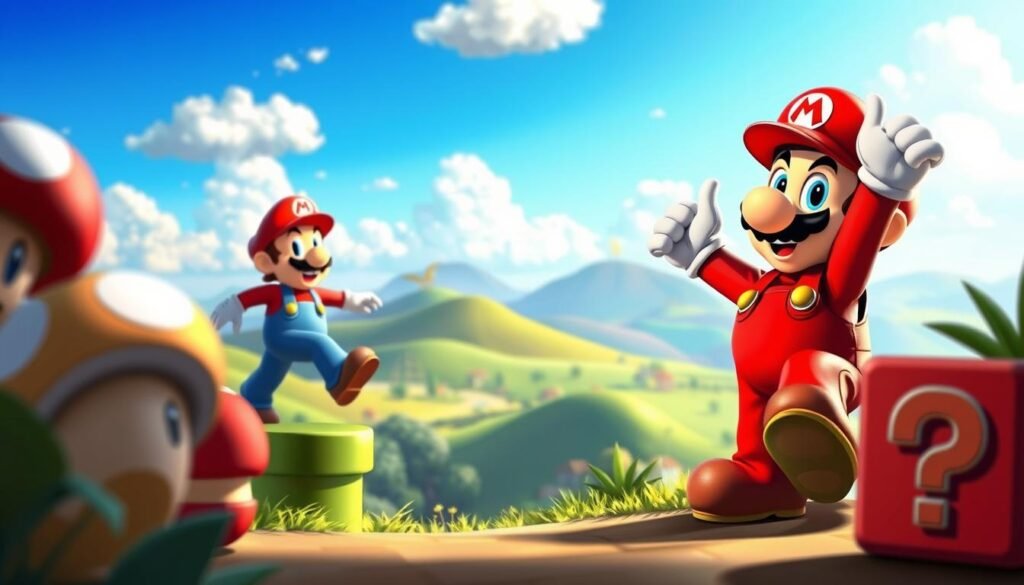
The Mushroom Kingdom’s visual language extends far beyond its characters to include instantly recognizable environmental elements that define the Super Mario experience. These objects carry as much personality as the heroes themselves.
Adding Mushrooms and Question Mark Boxes
I’ve created specialized tutorial sections for drawing the classic power-up mushroom with its distinctive red cap and white spots. The rounded stem and simple details make this an accessible starting point.
My Question Mark Block instruction demonstrates proper perspective for the three-dimensional cube shape. The yellow coloring and iconic symbol appear on each visible side, just like in the game.
These environmental objects from Mario Bros games add authenticity to your scenes. You can find detailed guidance for these elements in my comprehensive tutorial collection.
Capturing the Retro Pixel and Modern Style
The retro pixel style honors the original 8-bit appearances from early Super Mario titles. My five-step process uses blocky geometric shapes to recreate that nostalgic look.
This approach contrasts with modern interpretations seen in Mario Kart and other contemporary games. Smooth curves and dimensional shading create more realistic appearances while maintaining the character’s core identity.
Mastering both artistic style approaches provides valuable versatility. It deepens your understanding of how the franchise’s visual design has evolved across decades.
Techniques for Adding Detail and Shading
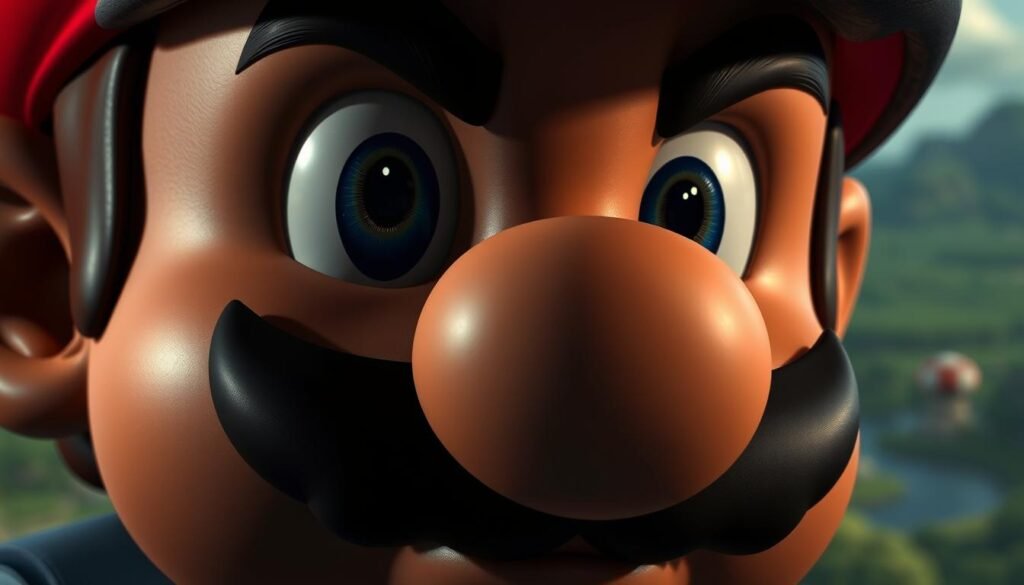
Shading and intricate details separate a simple sketch from a truly dynamic character representation. My approach transforms flat outlines into dimensional forms through systematic layering.
I begin by identifying the light source direction. This determines where shadows naturally fall beneath the hat brim, under the nose, and along arm undersides.
Using Light and Shadow to Enhance Depth
Value gradations create the illusion of depth. I demonstrate varying pencil pressure for different effects.
Light pressure establishes mid-tones on facial areas. Heavier application builds shadows in clothing folds and glove creases.
My systematic method adds elements in distinct phases. Basic shapes come first, followed by secondary clothing details.
Final layers include fine textures like denim stitching and button highlights. This prevents overwhelm while building toward polished results.
| Detail Phase | Focus Areas | Pencil Pressure | Result |
|---|---|---|---|
| Primary Outline | Basic character shape | Light touch | Foundation structure |
| Secondary Details | Clothing folds, facial curves | Medium pressure | Enhanced form definition |
| Tertiary Finishing | Texture, stitching, shadows | Variable pressure | Three-dimensional realism |
This drawing tutorial method ensures consistent progress. Each character gains depth through careful attention to these details.
The difference between basic and professional work lies in these finishing techniques. My tutorial breaks them into manageable steps for any artist.
Drawing Tips and Tricks from My Experience
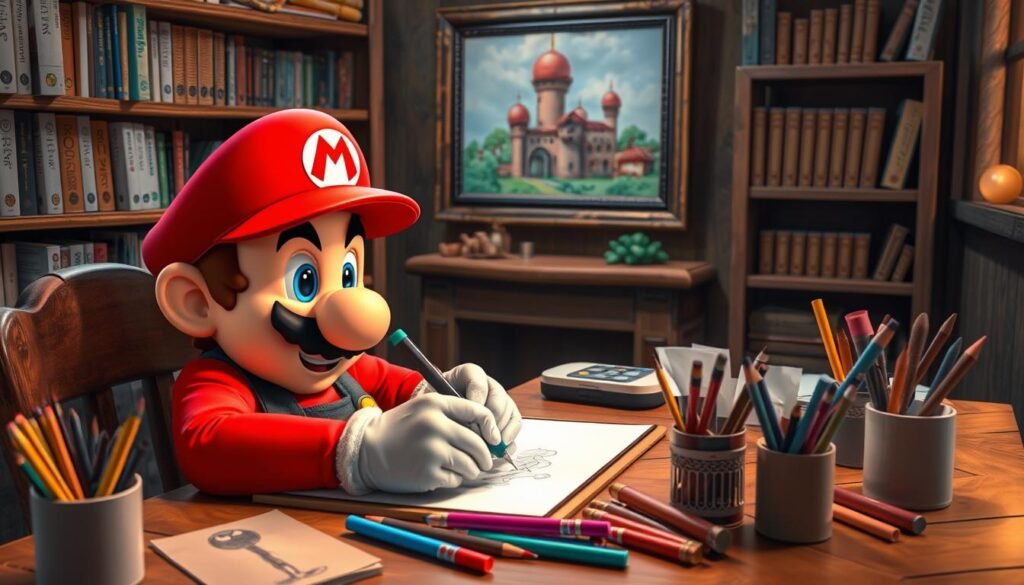
Through countless teaching sessions, I’ve identified patterns that separate successful artists from those who struggle. These insights form the foundation of my approach to character illustration.
Personal Insights and Common Pitfalls
One frequent mistake involves head proportions. The Super Mario design features an exaggerated head nearly matching the torso size. This creates his distinctive cartoon appearance.how-to-draw-dog-man
Many students struggle with facial element placement. The mustache should connect directly below the nose and above the upper lip. This creates cohesive facial structure rather than floating elements.
| Common Challenge | Root Cause | Recommended Solution |
|---|---|---|
| Inconsistent proportions | Lack of reference guide | Create basic measurement chart |
| Facial element placement | Misunderstanding relationships | Study game reference images |
| Over-committing to lines | Starting with dark strokes | Use light, adjustable sketching |
Advice for Consistent Improvement
The way you practice matters tremendously. Focus on one character repeatedly rather than jumping between versions. This builds muscle memory and confidence.
I’ve found this approach creates faster improvement:
“Regular breaks during sessions provide fresh perspective. Stepping away helps spot proportion issues you might miss when too close to the work.”
Study actual Super Mario game references beyond tutorials. This develops observational skills and understanding of design evolution. Each step in practice should challenge you with new poses and expressions.
Utilizing Printable Tutorials and Tracing Sheets
My printable resources are designed to transform your practice sessions into effective learning experiences. Each tutorial includes free downloadable sheets, perfect for classrooms or home use.
These materials provide a screen-free reference. You can focus entirely on the physical act of creation.
How Printables Can Accelerate Learning
I have found that tangible guides significantly boost progress. They serve as a constant reference, reinforcing each step of the process.
My step-by-step sheets help internalize correct proportions. Keeping them beside your paper allows for active, engaged learning.
For group settings, these resources are invaluable. Teachers can easily distribute them, making Super Mario Bros art accessible to everyone simultaneously.
Tracing Techniques for Better Accuracy
Tracing is a powerful practice tool, not a shortcut. It builds muscle memory and hand-eye coordination.
My recommended method involves a specific sequence. First, trace the character to understand line flow and shape relationships.
Next, attempt a freehand version from memory. Finally, compare your work to the original to identify areas for refinement.
| Learning Resource | Primary Benefit | Ideal Use Case |
|---|---|---|
| Printable Step Sheets | Reinforces sequential learning | Independent practice with a guide |
| Tracing Sheets | Develops muscle memory | Mastering proportions and line work |
| Video Tutorial | Demonstrates technique in motion | Understanding the drawing process dynamically |
Combining these resources creates a multi-faceted approach. This synergy often leads to faster skill development for artists aiming to learn draw these iconic characters.
Troubleshooting Common Drawing Challenges
Even experienced artists encounter hurdles when recreating beloved characters, and troubleshooting these challenges is a crucial skill. I’ve identified proportional issues as the most frequent obstacle students face with Super Mario illustrations.
The relationship between his oversized head, compact body, and small limbs requires careful measurement at each step. My verification technique involves stepping back after major stages to compare your work with reference images.
Overcoming Proportional Issues
I teach students to use light construction lines dividing the face into quadrants. This ensures proper placement of eyes, nose, and mustache.
Common proportional errors include:
- Arms extending too far past the body
- Shoes appearing undersized rather than characteristically large
- Facial features spaced too widely
These issues often stem from rushing foundational steps. Spending extra time on basic shapes makes corrections easier later.
Handling Mistakes and Refining Your Work
I emphasize that errors are valuable learning opportunities rather than failures. Analyze what went wrong before attempting corrections.
Refinement techniques include checking symmetry with mirrors or digital flipping. This reveals imbalances missed during the drawing process.
Final details like eye highlights and consistent line weight separate amateur work from polished Super Mario Bros illustrations. Each character benefits from this systematic approach to troubleshooting.
Conclusion
Your artistic journey with the Super Mario universe has just begun. This comprehensive guide provides the foundation for capturing countless characters from these beloved games.
You now possess techniques to tackle diverse designs. These skills apply to Mario Kart racers, cartoon enemies, and even complex figures like Yoshi.
My video resources and printable sheets support continuous growth. They help master proportions and develop your personal style.
Remember that each step builds confidence. The principles learned here transfer to any character illustration project.
I encourage exploring beyond the Mario Bros core cast. Practice with free coloring pages and share your progress with fellow artists.