

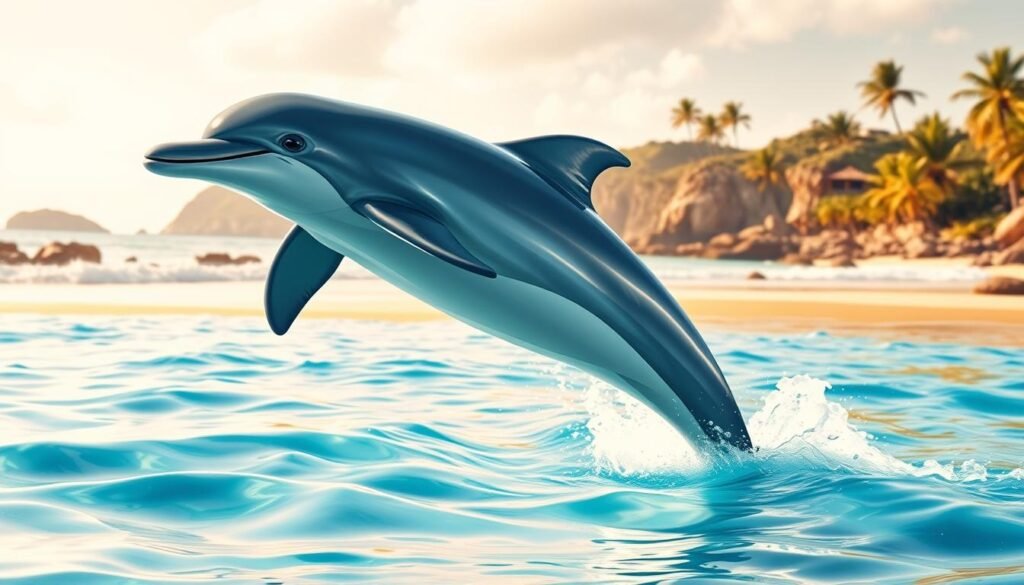
More than 462,000 aspiring artists have successfully created beautiful dolphin artwork using the proven techniques in this guide. This impressive number shows that mastering this graceful marine creature is an achievable goal for everyone.
I have designed this comprehensive tutorial specifically for artists who want to master the process through simple, achievable stages. Each step builds confidence with every pencil stroke, making the entire experience rewarding.
You might think creating a realistic dolphin is challenging. I have broken the entire process into manageable stages that anyone can follow. Your previous art experience does not matter here.
Throughout this guide, I will demonstrate two distinct methods for your dolphin drawing. This gives you the flexibility to choose the approach that feels most natural for your personal style. Whether you are a student working on a school project or a parent helping with an art assignment, this dolphin drawing tutorial provides the foundation you need.
From gathering your materials to adding the final details that bring your artwork to life, I will walk you through everything. Let’s begin this creative journey together.
Key Takeaways
- This guide is built on methods proven successful for over 462,000 readers.
- The process is broken down into simple, confidence-building steps.
- Two distinct drawing methods are provided to suit different artistic styles.
- The tutorial is designed for all skill levels, from absolute beginners to experienced artists.
- These techniques have been praised for their effectiveness in school projects and personal art.
Understanding the Basics and Gathering Materials
A well-organized start with the right tools sets the stage for artistic achievement. This initial phase is about creating a comfortable environment where creativity can flow without interruption.
Having all necessary items within reach prevents frustration and keeps the focus on the creative process.
Essential Art Supplies
For this project, you only need a few basic items. A standard graphite pencil offers excellent control for both light sketches and dark outlines.
Quality paper that withstands erasing is vital. A reliable eraser is your best friend for refining the dolphin’s shape as you progress.
When guiding kids, I suggest having an extra eraser handy. This encourages experimentation and builds confidence in their art skills.
The table below compares material options for your dolphin drawing tutorial.
| Material | Recommended Type | Benefit |
|---|---|---|
| Pencil | Graphite (HB or 2B) | Provides control for light and dark lines. |
| Paper | Medium-Weight Sketch Pad | Handles erasing without tearing. |
| Eraser | Kneaded or Vinyl | Cleans corrections effectively. |
Setting Up My Drawing Workspace
Your environment significantly impacts the final artwork. I ensure my space has good, natural lighting and a flat, stable surface.how-to-draw-an-owl
A comfortable chair and a clutter-free area help maintain focus. This simple preparation makes the entire drawing experience more enjoyable and productive.
how can i draw a dolphin
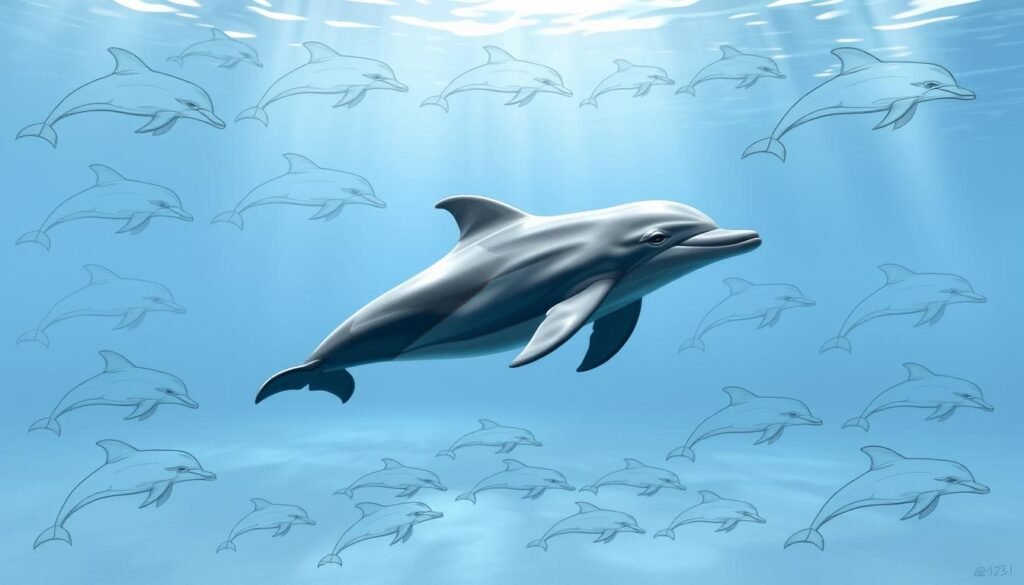
Two distinct pathways lead to creating beautiful dolphin artwork, each with unique starting points and techniques. Both approaches build the marine mammal’s form through simple geometric shapes.
Method 1: Aerofoil-Inspired Technique
This approach begins with an aerodynamic wing shape. The streamlined form captures the creature’s sleek body perfectly. I add an oblong tilted toward the upper right for the head region.how-to-draw-luffy
The next phase involves extending the snout from the front part. A triangular framework forms the foundation for the tail. Curves refine this into the distinctive fluked design.
Method 2: Curved Line and U-Shape Approach
Alternative construction starts with a curved line resembling a cursive “r”. This establishes the arched back immediately. A U-shape connects to create the face area.
Completing the outline involves joining these elements to form the stomach. The dorsal fin appears as a slanted “n” shape. Final details include the mouth line and eye placement.
| Method | Starting Shape | Key Advantage |
|---|---|---|
| Aerofoil Technique | Wing-like form | Excellent for proportional accuracy |
| Curved Line Approach | Cursive “r” shape | Quick, flowing line work |
Tips for Adding Details and Enhancing Your Drawing
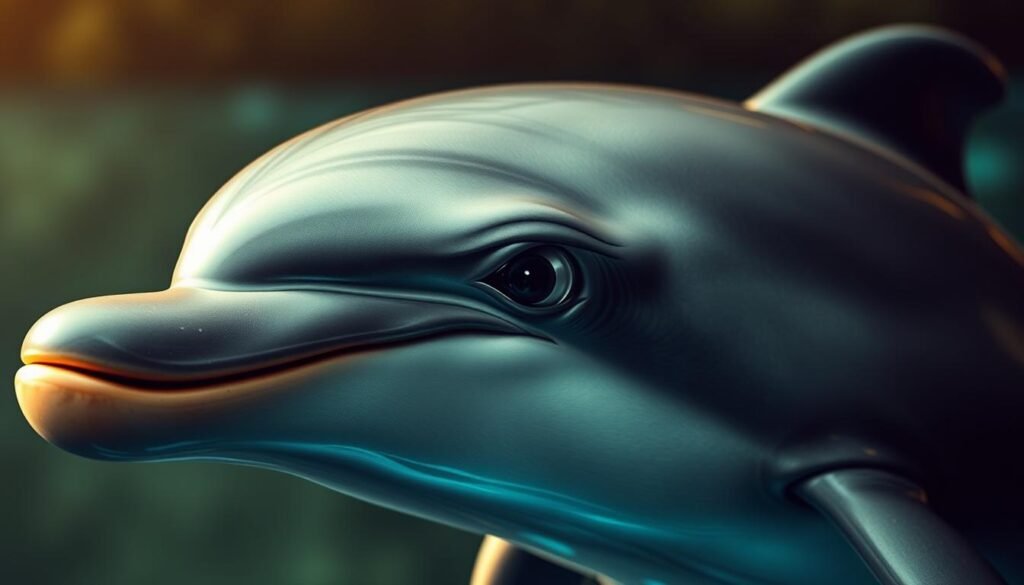
Detail work represents the crucial final stage where your preliminary sketch evolves into a realistic representation of ocean wildlife. This phase transforms basic outlines into artwork that captures the dolphin’s graceful essence.
Refining Dolphin Features and Curves
I focus first on the dorsal fin, ensuring it flows naturally from the creature’s back. The curve should appear organic rather than artificial. Each fin requires careful shaping to achieve proper proportions.
The body demands smooth, flowing lines that suggest muscular power. I erase any angular sections and replace them with gentle curves. The tail flukes deserve special attention for symmetry.
For facial features, my sharpened pencil creates precise details. The eye position matters greatly—about one-third back from the snout. The mouth line curves slightly upward for that characteristic friendly expression.how-to-draw-dog-man/
Practice and Precision for Perfect Shapes
Regular practice develops consistency with the correct shape. Each attempt improves my understanding of marine mammal anatomy. Patience prevents rushing through important elements.
I step back periodically to assess proportions from a distance. This helps identify areas needing adjustment before the painting phase. The dolphin drawing tutorial emphasizes that precision comes from taking time with each part.
Color application follows natural light patterns when I begin painting. Darker tones along the back create depth, while lighter shades on the belly enhance dimensionality. Creative color choices remain an option for artistic interpretation.
Conclusion
Your completed dolphin drawing represents more than just lines on paper—it’s a testament to your growing skills. I designed this comprehensive dolphin drawing tutorial to build confidence with each pencil stroke.
The two methods provide flexibility for different artistic styles. Both approaches help you understand marine mammal anatomy through simple shapes. Many readers have successfully used these techniques for school projects and personal art.
Remember that practice develops consistency with the correct body shape. Each attempt improves your line quality and understanding of proportions. This foundation supports more advanced wildlife illustrations.
These articles demonstrate that impressive art requires only basic materials and proper guidance. Your journey from that first curved line to detailed features shows what’s possible with structured learning. I encourage you to continue exploring your creative potential with these fundamental techniques.